What Gen Z Alumni Actually Want From Their Alma Mater
Gen Z alumni, born between 1997 and 2012, are now the youngest and fastest-growing segment of any university’s alumni base. They already make up more than a quarter of the global labour force. They are here, they are active, and they are forming opinions about whether their alma mater is worth staying connected to.
Most institutions are not making a strong case. Annual galas, generic newsletters, and obligation-framed fundraising appeals were designed for a generation that graduated before the smartphone existed. Applied to Gen Z, they produce predictable results: low open rates, empty event seats, and a widening gap between what institutions offer and what young alumni actually value.
This is not a perception problem. It is a product problem. Understanding how to build a strong alumni network for this generation requires shifting from nostalgia-led programming to genuine value exchange. And the research is now precise enough to tell institutions exactly what to do differently.
The Giving Gap That Institutions Cannot Afford to Ignore
The numbers from the RNL 2025 National Alumni Survey, with responses from over 50,000 alumni across 21 institutions, are stark. Millennials and Gen Z together represent 49% of the total living alumni base. In fiscal year 2024, they gave just 7% of alumni dollars.
The gap is not purely explained by income. The older generation of alumni, who represent only 17% of the living base, contributed approximately two-thirds of all alumni giving. The pattern is one of disconnection, not incapacity.
Only one in five alumni rank their alma mater as a top giving priority, even though 68% give to some charitable cause each year. The problem is not generosity. The problem is relevance.
RNL National Alumni Survey, 2024 (20,000+ alumni)
This means institutions are losing not to apathy, but to competition from causes that feel more immediate and personal. The RNL 2024 survey found that alumni who feel connected to their institution are 23 times more likely to give, and those satisfied with their college experience are 4 times more likely to donate. Yet more than half of recent graduates today report feeling disconnected from their alma mater.
The question institutions need to ask is not “how do we ask Gen Z for money” but “how do we make them feel connected enough that giving becomes a natural expression of that relationship.” The benefits of a strong alumni network only materialise when that connection is built first.
What Gen Z Alumni Are Actually Asking For
The CASE 2024 alumni engagement research is direct: 64% of Gen Z alumni prefer technology-driven tools for engagement and learning. This is a baseline expectation, not a preference to be accommodated when convenient. Institutions still operating engagement through printed magazines, postal mail, and legacy portals are not meeting the standard Gen Z sets for any relationship they choose to maintain.
But digital-first is only the access layer. What Gen Z alumni want on the other side of that access is specific. Modern alumni engagement tools must address these expectations directly, not just digitise old processes.
Career Support Delivered, Not Just Advertised
The RNL 2024 National Alumni Survey found that 81% of young alumni donate when they care deeply about a cause. The corollary is equally important: they disengage when engagement feels obligation-driven rather than value-driven. For Gen Z, the alumni network’s primary value proposition must be career-related.
This means structured mentorship matching, not an open directory. Industry-specific communities with active programming, not passive forums. Clear pathways to job referrals and professional introductions, not vague networking opportunities. Research from NACE’s 2024 study of over 5,000 Gen Z early career professionals found that alumni who engaged in structured career-connected programmes reported significantly higher career satisfaction and, on average, $15,000 more in salary in their first roles. The appetite for career infrastructure in alumni programmes is not aspirational. It is demonstrated behaviour.
Purpose-Led Giving Over Annual Fund Asks
Gen Z does give. The RNL 2024 data shows 77% of all alumni surveyed donate because they care deeply about the cause, with this number rising to 81% among young alumni specifically. The issue is that traditional higher education fundraising asks rarely speak to cause-based motivation.
Young alumni respond to cause-based campaigns tied to visible impact: student emergency funds, first-generation student initiatives, mental health services, and sustainability projects.
They do not respond to annual fund appeals that treat them as a giving prospect before establishing a relationship. The RNL 2024 research noted that most advancement systems are still designed to chase wealth rather than build the connection that precedes it.
The practical implication is that institutions must redesign their young alumni fundraising around causes Gen Z already cares about, with transparent reporting on how gifts are used. The ask should come after the relationship, not before it.
Personalisation That Reflects Their Reality
Deloitte’s 2025 Gen Z and Millennial Survey, covering more than 23,000 respondents globally, found that this generation’s top priorities from any institutional or professional relationship are mentorship opportunities, meaningful contribution, and financial growth pathways. Generic outreach that does not acknowledge where a young alumnus is in their career journey signals that the institution does not know or care about them.
Segmenting communication by graduation year, industry, and career stage is a minimum baseline. Institutions building the strongest relationships with Gen Z alumni go further: using engagement data to surface relevant events, matching mentors algorithmically, and recommending community groups based on expressed interests.
The Four Pillars That Separate High-Performing Alumni Programmes
Based on published research from RNL, CASE, Deloitte, and NACE, four structural pillars consistently differentiate institutions that retain Gen Z alumni from those that lose them early. Institutions looking to build an evolving alumni engagement strategy should treat these as the foundation.
Career-First Infrastructure
Structured mentorship, industry communities, and visible job referral pathways built into the core alumni offering, not an add-on page.
Digital-First, Frictionless Access
Mobile-optimised, low-friction platforms that meet Gen Z where they already spend time. Clunky portals create immediate drop-off.
Personalised Communication
Content segmented by career stage, industry, and engagement history. Generic blast emails signal institutional disinterest in the individual.
Visible Social Impact
Cause-based giving opportunities tied to transparent, measurable outcomes. 81% of young alumni give when they genuinely care about the cause.
Why the Window for Action Is Right Now
The RNL 2025 National Alumni Survey named a concern that advancement professionals have been watching build for over a decade: higher education faces an incoming donor cliff. The Silent Generation and Baby Boomers, who currently fund approximately two-thirds of alumni giving, are a shrinking base. Their loyalty-based giving model will not transfer automatically to Millennials and Gen Z unless institutions actively earn it.
Gen Z will be among the largest beneficiaries of what experts describe as the greatest wealth transfer in history, projected to involve approximately $85 trillion in assets. Institutions that have not built genuine relationships with this cohort by the time that wealth becomes discretionary will not benefit from it.
Younger generations represent 49% of the alumni base but currently give 7% of alumni dollars. As older generations reduce their giving through natural attrition, institutions without strong young alumni programmes will face a structural funding decline that is very difficult to reverse quickly. Early engagement is the hedge against this risk.
Gallup’s 2024 Voices of Gen Z study found that among Gen Z adults who completed a bachelor’s degree, more than half say they are thriving, the highest rate for any educational attainment level in their cohort. They are leaving universities with optimism and confidence. The alumni relationship should begin from this moment of peak goodwill, not after years of benign neglect.
The Infrastructure Gap Institutions Must Close
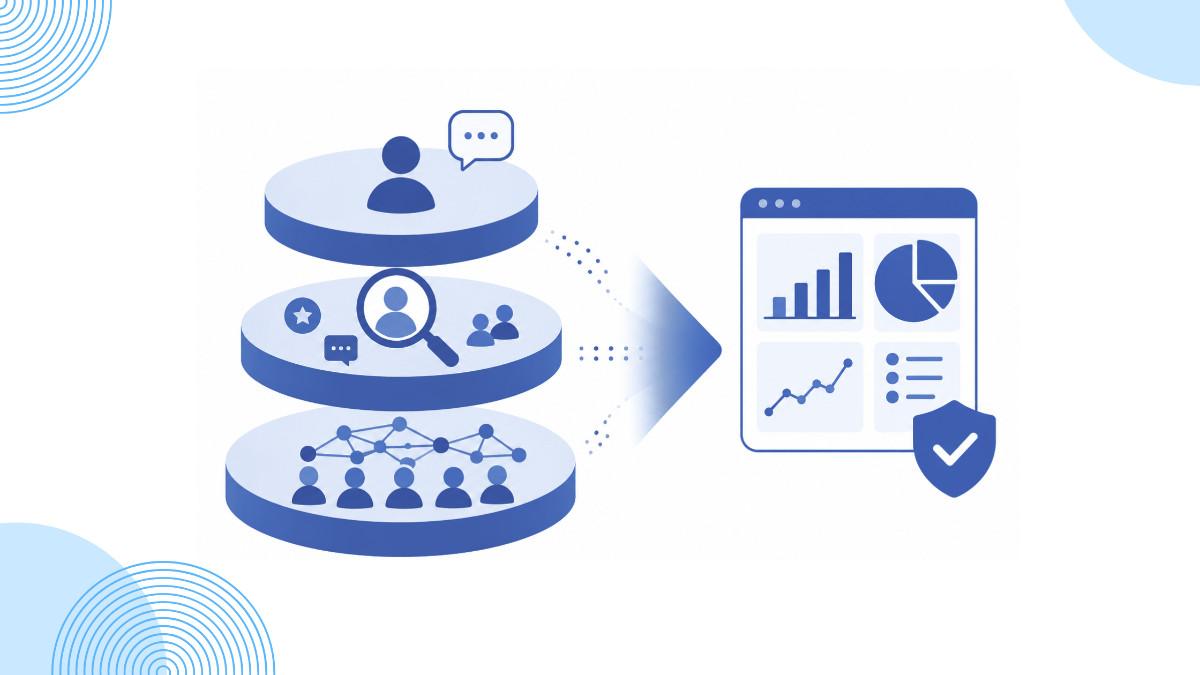
Understanding what Gen Z wants is no longer the challenge. The research is clear and consistent. The gap most institutions face is operational. They lack the infrastructure to deliver personalised, career-integrated, digitally-native alumni engagement at the scale their alumni base requires. An automated unified alumni database is the starting point, because you cannot personalise what you cannot track.
Fragmented Data
Without unified alumni records, personalisation is impossible. Institutions cannot segment by career stage or engagement history if that data lives in multiple disconnected systems.
Manual Processes
Manually managing mentorship matching, event targeting, and communication segmentation does not scale. Automation is the baseline for any institution operating at volume.
No Engagement Analytics
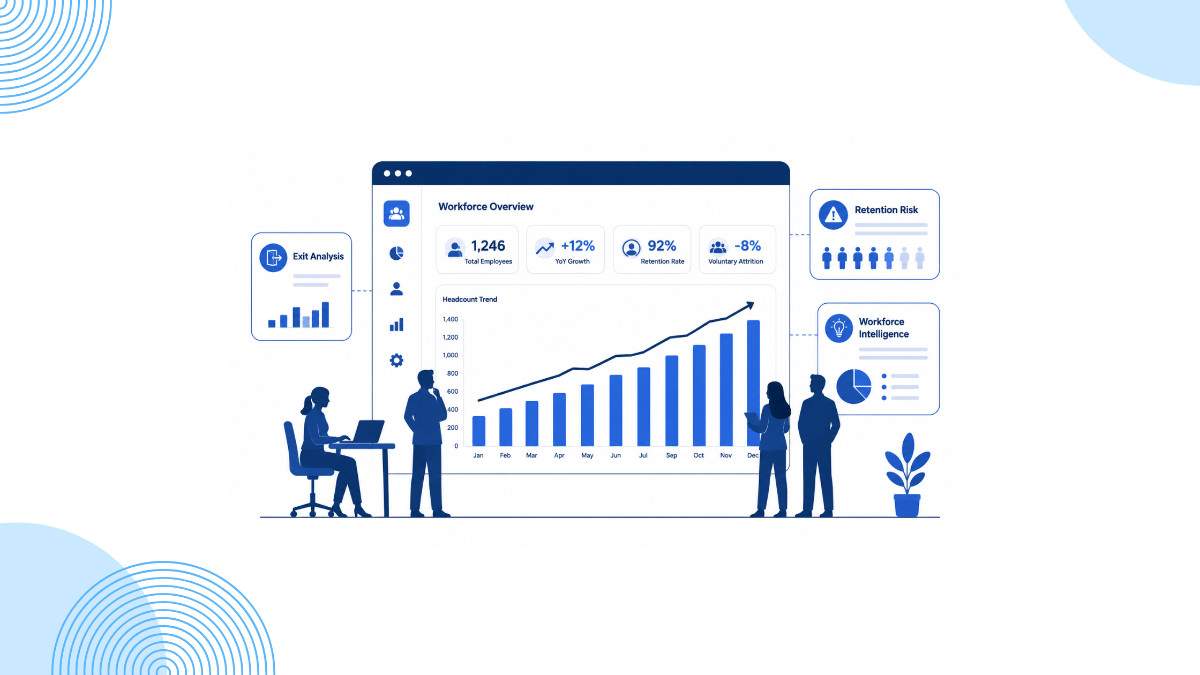
Without clear data on what is working, teams optimise based on intuition. Measurable KPIs like digital login rates and career programme participation are the foundation of improvement.
Outdated Engagement Models
Programmes built around annual galas and mailed newsletters were designed for a different cohort. The model itself needs redesigning, not just the messaging.
Where Institutions Should Start
If your institution is early in this transition, the most effective first step is an honest audit of what you are currently offering young alumni and whether any of it addresses the three things the research consistently shows they care about: career support, genuine connection, and purpose-led engagement.
Most institutions will find that their current programming fails on all three. That is not an indictment. It is a brief. The research from RNL, CASE, Deloitte, and NACE is consistent and directional: shift from nostalgia to value, from broadcast to personalisation, from events to ecosystems, and from asking to connecting.
Gen Z alumni are not a lost cause. They represent the majority of any institution’s living alumni base and the majority of the wealth transfer still in motion. The window to build genuine relationships with them is open right now. Over 2,000 institutions have already started that shift with AlmaShines.
Frequently Asked Questions
What do Gen Z alumni want from their university?
Gen Z alumni primarily want career support, mentorship, and genuine connection to their institution, not nostalgia-based events or obligation-framed outreach.
CASE (2024) confirms that 64% prefer technology-driven engagement tools. The RNL 2024 National Alumni Survey found that 81% of young alumni are motivated to give when they care deeply about a cause, meaning they respond to value-led, purpose-driven engagement rather than obligation.
Why are Gen Z alumni not giving to their alma mater?
According to the RNL 2025 National Alumni Survey of 50,000+ alumni, Millennials and Gen Z represent 49% of the alumni base but gave only 7% of alumni dollars in FY2024. The core issue is disconnection, not incapacity.
Only 20% of alumni rank their alma mater as a top giving priority, and more than half of recent graduates report feeling disconnected from their institution.
How can universities increase alumni engagement with Gen Z?
The most evidence-backed approach is to build connection before asking for anything. The RNL 2024 National Alumni Survey found that alumni who feel connected to their institution are 23 times more likely to give, and those satisfied with their experience are 4 times more likely to donate.
Practically, this means career-first programming, personalised communication by career stage, digital-first access, and cause-based giving opportunities tied to visible outcomes.
What type of alumni events actually work for Gen Z?
Gen Z alumni respond to career-functional events with a clear return on their time investment. Skills workshops, structured mentorship sessions, and industry panels outperform traditional socials and galas consistently.
Hybrid event formats combining in-person and virtual participation also expand reach and reduce participation friction significantly. The shift is from attendance-driven events to outcome-oriented ones.
How does alumni connection affect giving rates?
Connection has a disproportionate effect on giving. The RNL 2024 National Alumni Survey (20,000+ alumni) found alumni who feel connected are 23 times more likely to give. Those satisfied with their college experience are 4 times more likely to donate.
Despite this, more than half of recent graduates currently feel disconnected from their alma maters. This is the core challenge and the core opportunity.
When should institutions start engaging Gen Z alumni?
The ideal window is immediately around graduation and through the first one to three years after commencement. Gallup’s 2024 Voices of Gen Z study found that Gen Z adults who completed a bachelor’s degree report the highest thriving rates of any educational attainment level in their cohort.
Engagement habits and giving patterns formed in this window are disproportionately predictive of long-term alumni behaviour. Institutions that invest in career support and community during this period earn loyalty that is very difficult to build retroactively.
See How AlmaShines Powers Gen Z Engagement
Digital communities, career matching, AI personalisation, and analytics built for modern alumni teams. Book a 30-minute walkthrough.
Book a Demo