Nonprofit Digital Transformation: A Complete Guide for 2026
A complete guide to nonprofit digital transformation – community software, platform comparisons, and a practical roadmap to get started.

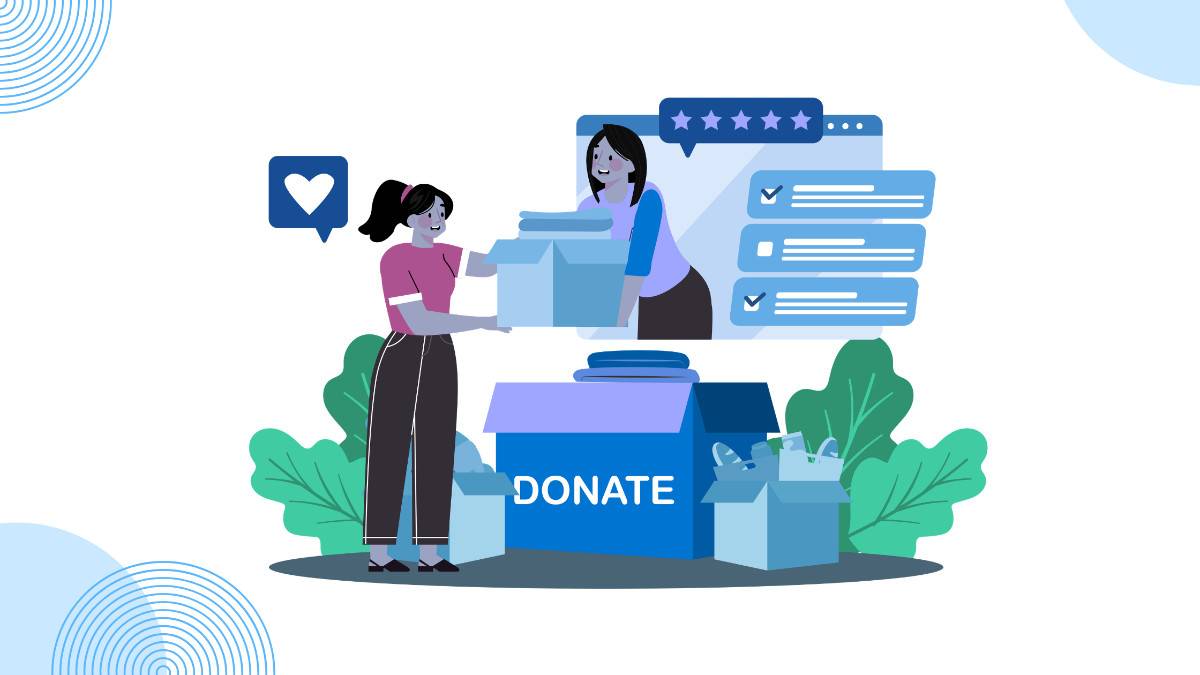
Most nonprofits know they need to go digital. The hard part is not the decision. It is figuring out where to actually start. A lot of organisations sign up for a CRM they barely use, send a few emails, and call it done. Meanwhile the real work managing volunteers, tracking members, coordinating donors, running programs still lives in WhatsApp groups and spreadsheets.
2026 is a different kind of year for the sector. Funding is tighter. Competition for donors is real. And the gap between organisations with proper digital infrastructure and those without is turning into a survival gap. This guide covers what nonprofit digital transformation actually looks like in practice, which community management tools are worth knowing about, and how to build a roadmap that works even if you are starting from scratch.
Why 2026 Is the Year Nonprofits Cannot Delay This
The sector has been talking about going digital for years. But most organisations are still running on systems that were never meant to scale. Fragmented tools, manual handoffs, data scattered across five different places. That is not a small inefficiency problem. It is a structural one that compounds every year you leave it alone.
The organisations doing well right now are not always the best-funded. They are the ones that built real infrastructure early. Smaller organisations with no digital foundation and a single revenue source are the ones facing genuine restructuring risk in 2026.
Why Most Nonprofits Pick the Wrong Tool First
When most nonprofits think about going digital, they jump straight to CRM. And it makes sense on paper. CRM means organised data, right? The issue is that CRM software is designed around sales. It tracks transactions, leads, and donor history. Useful for some things, but not what most nonprofit teams spend their days doing.
Tracks transactions and donor records
Designed around one-time interactions
Weak on volunteer and member workflows
Needs heavy customisation for NGO use
Manages members, volunteers, and events
Built around ongoing relationships
Handles renewals, scheduling, and onboarding
Purpose-built for nonprofit operations
What nonprofits actually need is community management software, sometimes called Association Management Software or AMS. The feature sets are completely different. It is built for the things your team actually does every day.
What Community Management Software Covers
Member database
Profiles, dues, renewal dates, and communication history in one place.
Event coordination
Registration, payments, attendance, and follow-up without five tools.
Volunteer scheduling
Shifts, role assignments, check-ins, and real-time communication.
Community engagement
Forums, peer messaging, and content that keeps members active year-round.
Dues and payments
Auto-renewal, fee bundling, and tier management without manual invoicing.
Analytics and reporting
Retention rates, event performance, and engagement metrics in real time.
Community Management Software Worth Knowing in 2026
The market has matured quite a bit. There are solid options now across every size and budget. Here is an honest look at the main platforms nonprofits and NGOs are actually using.
AlmaShines
AlmaShines is a community platform built for nonprofits, foundations, and large associations. The whole point is to replace the scattered admin work that eats up team time volunteer tracking, donor coordination, member management, vendor communication with one system that handles all of it.
The features map directly to real nonprofit workflows. Survey creation with real-time response tracking. Volunteer application tracking that keeps people informed at every stage. Automated reference collection. Custom forms with integrated payment collection. And staff roles and permissions so the right people see exactly what they need. On top of that, AlmaShines has an affordable white-labeled mobile app so your community engages under your brand, not a generic platform name. You can see the full nonprofit community software here.
Higher Logic Thrive
Trusted by over 1,700 associations worldwide, Higher Logic Thrive is built for member-based nonprofits where community is the actual product. Strong on peer-to-peer knowledge sharing, personalised content recommendations, and long-term retention tracking. Pricing is at the higher end of the market, so it fits large, established organisations best.
Wild Apricot
The most common starting point for small-to-mid-size nonprofits. Handles member databases, dues collection, website building, event management, and email from one platform. Affordable and easy to get started with. The UX is dated and the community engagement features are basic, but for membership administration it gets the job done.
Mighty Networks
The most modern-feeling platform in this list and top-rated on G2 for three years running. Good fit for nonprofits that want to build an active ongoing community rather than just a member directory. Strong on courses, events, discussions, and payments in one interface. Less suited to traditional association management with complex reporting needs.
Tendenci
The only open-source AMS built specifically for nonprofits. No per-user or admin fees. Covers membership, event registration, donor management, and LMS integrations. The right fit for budget-constrained organisations with some technical capacity who want full control without recurring SaaS costs.
AlmaShines
Built for nonprofits, foundations, and large associations. CYSD grew from 100 to 300+ volunteers in under a year.
Volunteer tracking Custom forms White-label mobile appHigher Logic Thrive
Best for established member-based nonprofits where community engagement drives retention and revenue.
1,700+ associations Personalisation ForumsWild Apricot
Most accessible starting point for nonprofits needing membership admin, event coordination, and dues collection.
Affordable Member database Mobile appTendenci
The only open-source AMS for nonprofits. No per-user fees. Full customisation, self-hosted option available.
Free / open source No user fees Self-hostedThe Vendor Lock-In Trap Nobody Talks About
Here is a risk that gets almost no attention: what happens when the platform you have built your community on shuts down or pivots? This is not hypothetical. Meta’s closure of Workplace for Good hit a lot of nonprofits hard. Many had built their entire volunteer and staff communication infrastructure on it. When it closed, they had no portable data and no backup plan.
A lot of NGOs, especially those working in complex field environments, default to WhatsApp, email, or SMS because that is what their local partners are already on. That is not irrational. But the goal is to make sure your core data and member relationships live somewhere you own, even if day-to-day coordination happens across other channels.
What AI Actually Does for Nonprofit Community Management
AI adoption in the sector has moved fast. Usage jumped from 31% in 2024 to 48% in 2025, with another 19% planning to adopt within the next year. But the most useful AI in community management is a lot more grounded than the hype suggests.
Member matching and recommendations connects members with shared interests automatically, without a staff member manually coordinating it every time
Engagement scoring flags members who have gone quiet so you can reach out before they actually leave
Automated onboarding flows personalises the new member experience based on their profile without manual setup for each person
Real-time dashboards surfaces program and community health metrics without someone pulling the data manually each week
What AI still cannot replace: the human judgment needed for complex beneficiary situations, sensitive community conversations, and the relationship nuance that field teams depend on. The organisations getting the most from AI are using it to clear out admin work so people can focus on those things instead.
A Realistic Roadmap for 2026
The organisations that fail at digital transformation usually try to do everything at once. They buy the big platform, run a migration project, and spend months in implementation while the actual community work stalls. The ones that succeed start with one thing and build from a working foundation.
Audit what you are actually using right now
List every tool your team uses: WhatsApp groups, shared drives, email threads, spreadsheets. This is your real stack, not the official one.
Find your highest-friction process
Where does your team lose the most time? That is where a new platform will show the fastest return.
Pick a platform that fits your size today
Small org under 500 members: Wild Apricot. Mid-size to large nonprofits, foundations, and associations: AlmaShines. Enterprise-scale with complex reporting: Higher Logic Thrive. Budget-constrained with tech capacity: Tendenci.
Pilot with one community segment first
Do not migrate everyone on day one. Start with one chapter or volunteer cohort. Prove it works, then scale.
Set a 90-day baseline before you launch
Define what success looks like upfront: renewal rate, event attendance, active member percentage, or admin hours saved. Track it from day one.
Plan for migration risk from the start
Document where your data lives, who owns it, and what your exit plan is. Not pessimism just the lesson the Workplace for Good closure taught the whole sector.
What Does This Actually Cost
The honest range for most small-to-mid-size nonprofits is $50 to $500 per month for a platform covering membership, events, communication, and community engagement. Enterprise platforms go higher. Open-source options like Tendenci are free if you have the technical capacity to run them.
The more useful question is not what the platform costs but what it costs not to have one. Manually managing renewals, volunteer scheduling, and member communications across a five-person team probably costs more in staff time every month than any of these platforms charge. Organisations that treat software as overhead tend to spend more in aggregate and get worse results.
Most platforms offer nonprofit discounts. When comparing: check whether pricing is per-member or flat-rate (flat-rate scales better as you grow), what implementation costs on top of the license, and whether you can export your data cleanly if you decide to leave.
Digital Transformation Is Community Infrastructure
The nonprofits that will define what effective looks like in 2026 are not chasing the most advanced technology. They are building durable infrastructure around their communities. Community management software is not an upgrade to how you send newsletters. It is the foundation that makes member retention, volunteer coordination, donor relationships, and program reporting actually work. The best time to build that was a few years ago. The second best time is now.
Frequently Asked Questions
Nonprofit digital transformation is the process of replacing manual, fragmented systems with connected digital infrastructure across operations. For most nonprofits this means moving volunteer tracking, member management, donor communication, and event coordination out of spreadsheets and WhatsApp groups into purpose-built platforms that save time, reduce errors, and give leadership real visibility into what is happening across the organisation.
A CRM is built around tracking sales transactions, donor records, and one-time interactions. Community management software, also called Association Management Software, is built around ongoing relationships: member renewals, volunteer scheduling, event coordination, dues collection, and engagement over time. Most nonprofits need the latter. CRM tools require heavy customisation to handle what a community platform does out of the box.
AlmaShines is one of the strongest options for nonprofits, foundations, and large associations in 2026. It covers volunteer tracking, member management, automated reference collection, custom forms with payment integration, and a white-labeled mobile app all in one platform. CYSD used AlmaShines to grow from 100 to 300+ volunteers in under a year. For smaller organisations, Wild Apricot is a more affordable starting point. For large established associations, Higher Logic Thrive is worth evaluating.
Most nonprofits pay between $50 and $500 per month for a platform covering membership, events, communication, and community engagement. Enterprise platforms cost more. Open-source options like Tendenci are free if you have in-house technical capacity. Most platforms offer nonprofit discounts, and the cost of not having a system typically exceeds the platform fee once you account for staff time spent on manual admin work.
AI in nonprofit community management is being used for four main things: member matching based on shared interests, engagement scoring to identify members at risk of going inactive, automated onboarding flows that personalise the new member experience, and real-time dashboards that surface program health metrics without manual data pulls. AI adoption in nonprofits jumped from 31% in 2024 to 48% in 2025 and is continuing to grow. The most value comes from using AI to remove admin work so staff can focus on high-touch relationship work.
Start by auditing what your team actually uses today, including WhatsApp groups, spreadsheets, and shared drives. Identify the one process that wastes the most time and start there. AlmaShines is a strong fit even for nonprofits with tight budgets as it consolidates volunteer tracking, member management, forms, and payments into one affordable platform without needing multiple tools. Run a pilot with one volunteer cohort or program group before migrating everyone. Set a 90-day baseline so you can measure the impact before committing to a full rollout.
Yes. AlmaShines is built for nonprofits, foundations, and large associations of all sizes. It handles complex community structures with staff roles and permissions, multiple program groups, volunteer application workflows, donor and vendor management, and custom forms with payment collection. The platform also includes an affordable white-labeled mobile app, which makes it practical for large organisations that want their community engaging under their own brand identity.



Let’s discuss the idea
Join hundreds of companies transforming their corporate communities with Almashines