How to Evaluate an Online Election Platform Before You Decide
Evaluate security and transparency before choosing an online election platform. Decide wisely before you request demo election software.

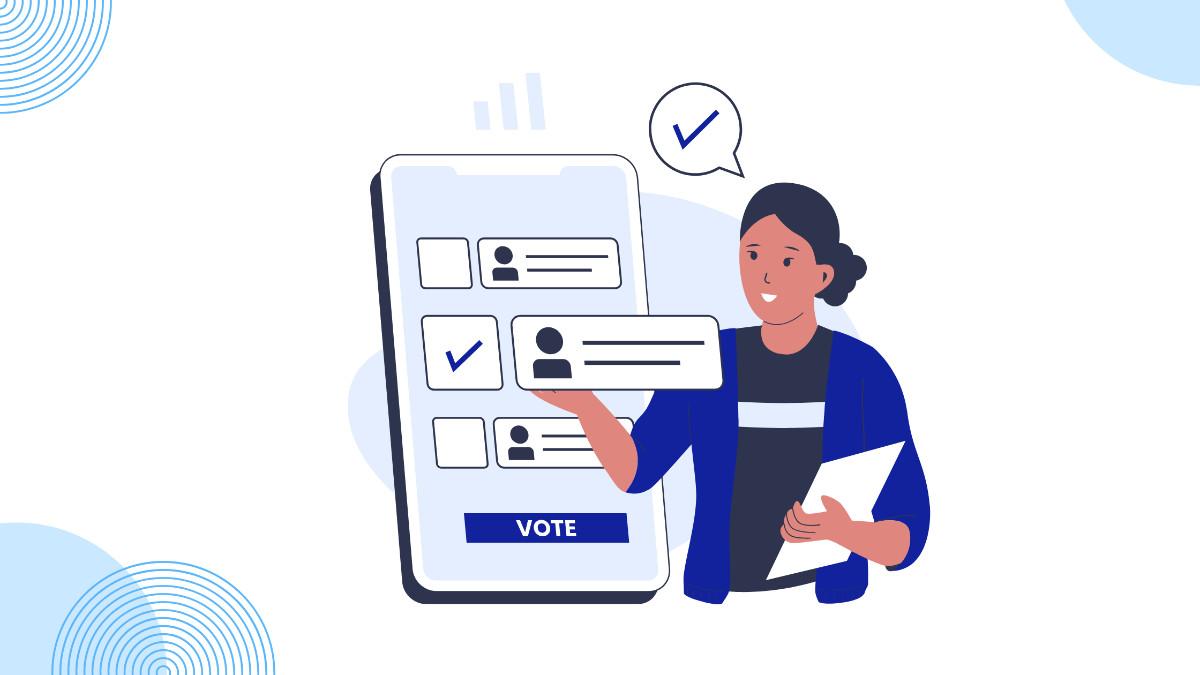
Picking the right online election platform is one of those decisions that looks straightforward on the surface but carries real weight for your organisation. Get it right and your election runs smoothly, members trust the outcome, and your team walks away without stress. Get it wrong and you are dealing with disputes, technical failures, and a membership that questions whether the process was fair.
This guide is written for the people who actually have to make this call: committee chairs, administrators, and leadership teams who need a structured way to evaluate platforms before committing. It covers what to look for, what questions to ask, and what to watch out for before you sign anything.
According to Global Growth Insights, associations that have moved to digital voting have reported turnout improvements of up to 40% in certain settings. The difference is not just convenience. It is that members can vote from wherever they are, on whatever device they have, without rearranging their schedule.
Why This Decision Carries More Weight Than It Looks
When associations treat platform selection as a simple technology purchase, they tend to focus on price and features. That approach misses the bigger picture. The platform you choose for your elections is the mechanism through which your members exercise their democratic rights. That means every aspect of it, from how votes are authenticated to how results are stored, reflects directly on your organisation’s credibility.
A platform that fails on election day does not just cause a technical problem. It calls the entire process into question. Members who experience a confusing voter journey lose confidence in leadership, even when the eventual outcome is fair. And if there is no proper audit trail, a disputed result can drag on for months with no clean resolution.
Taking the time to evaluate properly is not overcaution. It is the responsible way to protect both your members and your institution.
A Practical Framework for Evaluating Online Election Platforms
Start With What Your Organisation Actually Needs
Before you look at any platform, write down your requirements. This sounds obvious but most associations skip it, which means they end up being guided by whatever a vendor chooses to demonstrate rather than what genuinely matters for their situation.
Work through these questions with your team before any vendor conversation begins:
- How many eligible voters will participate?
- What type of election is this: single position, multiple posts, or ranked choice?
- Will voters be casting ballots remotely, on mobile, or across different time zones?
- Are there any legal or regulatory compliance requirements specific to your industry or constitution?
- How detailed does the post-election audit trail need to be for your governance records?
- Does the platform need to connect with your existing membership database?
Once you have written answers to these questions, every platform you evaluate gets measured against your list rather than the vendor’s own marketing. This keeps the evaluation honest.
Ask Vendors to Show Security, Not Just Describe It
Every vendor will tell you their platform is secure. The only way to assess whether that claim holds up is to ask them to demonstrate it during a live session rather than hand you a document listing certifications.
The security elements that matter most for association elections are:
- How does the system verify that each voter is who they say they are before allowing access to the ballot?
- What prevents the same person from voting twice, whether accidentally or deliberately?
- Is data encrypted while it is being transmitted and while it is stored on the server?
- Are administrative controls role-based so that no single person can view or change votes unilaterally?
- Does the system keep a tamper-proof log of every action taken by every administrator?
If a vendor hesitates to demonstrate any of these or redirects you to a PDF instead of a live walkthrough, pay attention to that. Security should be something they are confident showing you directly.
Check That the Audit Trail Is Genuinely Usable
The audit trail is what protects your organisation if a result is ever challenged. It needs to be detailed enough that anyone reviewing it, including people who had no involvement in running the election, can follow exactly what happened and confirm the process was fair.
Ask the vendor specifically:
- Can the system generate a time-stamped record of every vote cast?
- Can you export the audit report in a format that works for legal or governance review?
- If a candidate disputes the result, what documentation can the platform produce?
- Does the report show exactly how votes were counted and results were calculated?
- Can an authorised observer access the audit data without compromising voter anonymity?
The goal is not just to have an audit trail. It is to have one that would stand up to scrutiny from someone outside the organisation who had no prior involvement in the election process.
Test the Admin Experience Yourself
There is a big difference between watching someone else navigate a system and doing it yourself. During your evaluation, ask for access to a test environment and try completing the core admin tasks without guidance from the vendor. The goal is to find out what happens when no one is leading you through it.
Specifically try to:
- Create a test election and configure the ballot from scratch
- Upload a voter list and check that it populated correctly without errors
- Monitor participation levels in real time during a simulated voting session
- Close the voting window and generate the results report
- Send a reminder to voters who have not yet cast their ballot
If any of these tasks feel complicated or require you to contact support, that is important information. On election day, things move quickly and your team needs to be self-sufficient for the tasks that come up most often.
Confirm Reliability and What Happens If Something Goes Wrong
No platform is completely immune to technical problems, but good ones have processes in place so that problems do not derail an election when they occur. Before you sign anything, get written answers to these questions:
- What is the guaranteed uptime percentage and what are the SLA terms if that is not met?
- Has the platform been load-tested under conditions similar to your election size?
- What is the recovery procedure if there is an outage and how long would it take to restore service?
- Is there a live support team available during your voting window specifically, not just during standard business hours?
- Who do you contact if something goes wrong mid-election and how fast do they respond?
A vendor that gives vague answers about support availability or cannot tell you their uptime guarantee is not ready to be a reliable partner for something as high-stakes as an election.
Get the Full Pricing Picture Before Deciding
The quote you receive in a sales conversation is rarely the total cost. Associations regularly discover additional charges after signing, for setup, customisation, voter numbers over a certain threshold, or on-day technical support. These surprises are avoidable if you ask the right questions early.
Request a written breakdown of every cost that could apply to your election, including:
- Initial setup and onboarding fees
- Per-voter or per-election charges
- Fees for customising the ballot design or platform branding
- Whether a practice or test election run is included or charged separately
- Cost of technical support during the live voting window
- Renewal pricing and any clauses that allow the vendor to increase rates
Asking for this in writing before you commit is entirely reasonable. Any vendor that resists giving you a full cost breakdown is one worth thinking carefully about before proceeding.
On live walkthroughs: Reading about a platform is useful, but nothing replaces seeing it work with your own election scenario in mind. When you request a walkthrough, share your actual requirements — voter count, ballot structure, compliance needs — and ask them to demonstrate against those specifically. A generic product tour tells you much less than a session built around your situation.
Things That Often Go Wrong During Platform Evaluations
Knowing what to avoid is as useful as knowing what to look for. These are the mistakes that come up most often when associations look back on a platform decision that did not work out.
Watch out for these during your evaluation
- Choosing based on price alone without checking whether the platform fits your governance requirements
- Accepting written materials as evidence of capability instead of testing things yourself
- Not involving your legal or compliance team before finalising the selection
- Skipping a practice run with real staff before the actual election
- Not confirming that live support is available during your specific voting window
- Failing to get a complete written cost breakdown before signing
- Selecting a platform that cannot produce a proper audit report in a usable format
What a Well-Run Digital Election Actually Looks Like
When the evaluation is thorough and the platform is the right fit, the difference shows clearly on election day. Your administrators can set up and manage the election without stress. Voters find the process simple and accessible from their phones or computers. Results are available quickly after the voting window closes. And if any question is raised about the outcome, the documentation to answer it is already there and ready to share.
Beyond the practical side, running a clean and professional digital election builds confidence in your association’s leadership. Members notice when things are organised well. It signals that the people running the institution take governance seriously, which matters for engagement, renewal rates, and the association’s reputation within its sector over the long term.
What AlmaShines Offers for Association Elections
The AlmaShines Election Platform is built specifically for organisations that need to run elections with proper governance controls. It handles the full process from voter authentication through to audit reporting, with administrative tools your team can use without needing a technical background.
Encrypted Voting With Access Controls
Votes are encrypted end to end. Administrative access is role-based so that no one person can view or alter ballots without a proper authorisation trail in place.
Downloadable Audit Reports
Every election generates a full audit trail with time-stamped records. Reports can be downloaded and used for governance documentation or to resolve any post-election queries.
Built to Handle Large Voter Volumes
The platform is designed for concurrent voting at scale. Uptime is guaranteed and load capacity is tested so that election day performance is predictable and consistent.
Support During the Voting Window
The AlmaShines team is available throughout the live election, not just during setup. If anything needs attention on the day, there is someone available to respond immediately.
Admin Controls Your Team Can Use
Election setup, voter list management, participation tracking, and result publishing are all handled through an interface that does not require technical expertise to operate confidently.
Want to See the Platform Before You Decide?
If your association has an election coming up and you want to evaluate the AlmaShines platform properly, request a walkthrough built around your specific requirements. Your team can test the voter experience, the admin controls, and the audit reporting before making any commitment.
Book a Free Demo
Frequently Asked Questions (FAQs)
For most associations, setting up an online election platform takes anywhere from a few days to a few weeks. The timeline depends on the number of voters, any compliance requirements, and how much customisation is needed. Starting early and having your voter list ready in advance makes the biggest difference.
Yes. Good election platforms are built to handle thousands of voters casting ballots at the same time. Before you finalise a provider, ask them specifically about their load testing results and uptime guarantees so you know the system will hold up on the day that matters.
In most regions, online voting is legally valid as long as the platform meets authentication, audit, and compliance requirements. Check your association’s bylaws and the regulations that apply to your sector before selecting a provider, and confirm the platform can produce the documentation your governance structure requires.
Use the walkthrough to test the voter experience yourself, not just watch a demonstration. Try configuring a ballot, uploading a voter list, and checking how results and audit reports are generated. If anything feels complicated during a guided session, it will be harder on election day without support.






Let’s discuss the idea
Join hundreds of companies transforming their corporate communities with Almashines