How Nonprofits Choose the Best Management Software
See how nonprofits can choose the best software for nonprofits to simplify donor, volunteer, and alumni management efficiently.

Selecting the right nonprofit management software is more than just a technical decision for nonprofits , it’s a strategic step toward operational efficiency and stronger stakeholder relationships. Many organizations face the frustration of juggling multiple tools, fragmented spreadsheets, and disconnected communication channels, which makes managing donors, volunteers, and alumni unnecessarily complex.
Choosing the right platform can simplify workflows, improve visibility, and allow teams to focus more on mission-driven work rather than administrative headaches, choosing management software isn’t just a technology decision, it’s a strategic choice to reduce everyday friction.
Organizations often struggle with scattered spreadsheets, disconnected email systems, and multiple tools that make it difficult to track donors, alumni, volunteers, and members in one place.
Why Choosing the Right Management Software Matters for Nonprofits
Relying on fragmented systems can slow operations and limit insights, making it difficult to measure engagement or respond quickly to stakeholders. Dedicated nonprofit management software offers a solution by centralizing data, automating workflows, and providing actionable insights. As a result, nonprofits can operate more effectively and focus on what truly matters: their mission.
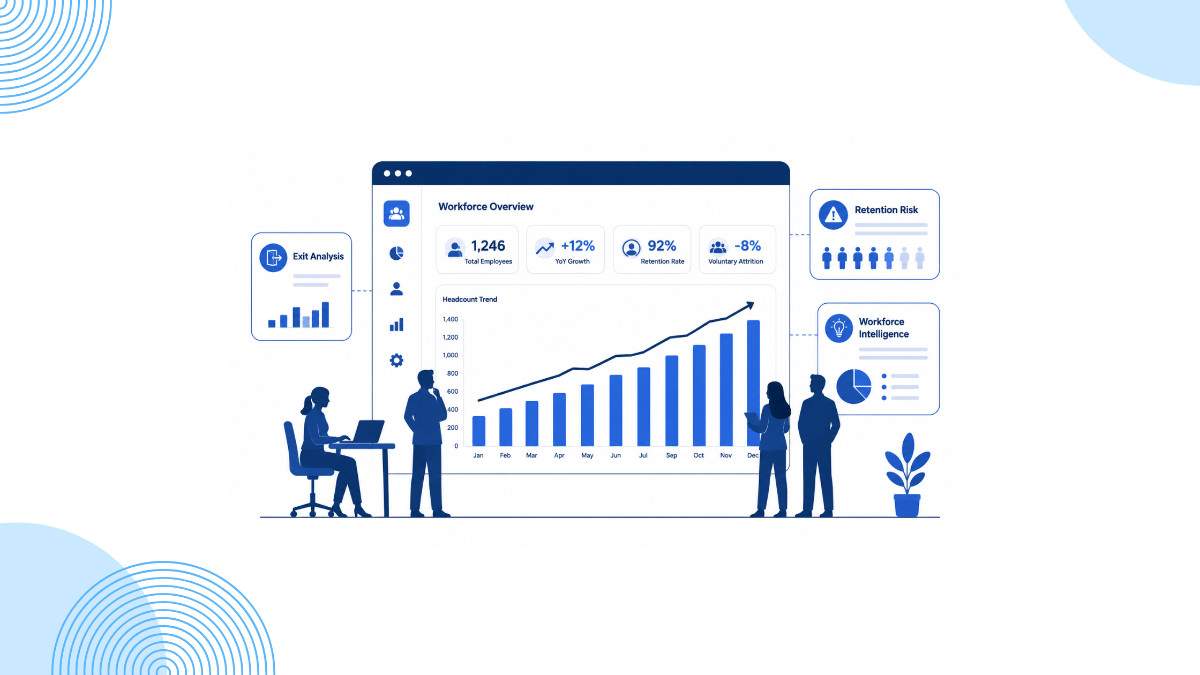
The data below highlights the rapid growth and adoption of nonprofit management solutions globally.
Here’s how nonprofits usually arrive at the right decision.
1. It Starts With Real Problems, Not Features
Nonprofits rarely wake up wanting “new software.” The decision usually comes after recurring issues start slowing things down.
Common triggers include:
- Donor or alumni data spread across files and inboxes
- Difficulty tracking engagement or participation
- Manual reporting taking days instead of minutes
- Missed follow-ups or inconsistent communication
Before looking at vendors, organizations that make better choices first write down what’s not working today. Not what sounds impressive but what wastes time, causes confusion, or limits growth.
This clarity prevents choosing a tool that looks powerful but doesn’t actually solve daily problems.
This real-world example illustrates how the right system can transform operations and engagement.
2. Budget Is About Sustainability, Not Just Price
Nonprofits think carefully about cost, but the smartest teams look beyond the monthly fee.
They usually ask:
- How long will training take?
- Will we need outside help to set it up?
- Can this system still work for us two or three years from now?
- What happens when our community grows?
Tools with flexible pricing, clear plans, and no hidden setup costs tend to be preferred especially when budgets are fixed and accountability matters.
3. The Right Choice Includes the People Who’ll Use It
One common mistake nonprofits admit later is choosing software only at the leadership level.
When staff members, coordinators, or volunteers are not involved early, adoption becomes difficult even if the tool is technically strong.
That’s why many nonprofits now include:
- Program or alumni managers
- Fundraising or engagement teams
- Operations or admin staff
Early involvement helps surface usability issues that don’t appear in brochures or sales calls.
4. Usability Matters More Than Long Feature Lists
Nonprofits don’t need complex dashboards that require weeks of training. They need systems people can actually use.
What tends to matter most:
- Simple navigation
- Clear workflows
- Easy access to reports
- Minimal manual work
Integration is another quiet deal-breaker. If software doesn’t connect well with email tools, payment systems, or CRMs, it adds work instead of reducing it.
Security also plays a role especially when handling donor, alumni, or member data. Even small organizations now expect proper data protection as a baseline.
5. Demos and Free Trials Change Everything
This is where most confident decisions are made.
Seeing the software in action using real scenarios often reveals more than any feature list.
A live demo or trial allows nonprofits to check:
- Whether daily tasks feel intuitive
- How engagement or reports are actually displayed
- How responsive the support team is
Example:
- AlmaShines – Offers a free demo for exploring alumni engagement, communication tools, analytics, and reporting. Ideal for teams moving away from spreadsheets or disconnected tools.
- Wild Apricot – commonly used by associations and membership groups
- Bloomerang – popular for donor management and fundraising insights
- Neon CRM – often chosen by small to mid-sized nonprofits
Testing two or three platforms side by side usually makes the decision clearer than any comparison chart.
6. Long-Term Support Often Becomes the Deciding Factor
Over time, nonprofits realize that software isn’t just a product :it’s a relationship.
Strong vendors stand out because they:
- Offer clear onboarding support
- Respond quickly to questions
- Update features based on real user needs
- Provide learning resources without extra cost
This matters more than it seems. Nonprofits evolve, and the software needs to evolve with them.
Final Thought
Choosing the right nonprofit management software is less about chasing features and more about finding a system that truly fits the organization’s needs. The best platforms streamline daily tasks, reduce manual work, and provide clear visibility into donor, volunteer, and alumni engagement.
They support the people who use them, not just the processes, and adapt as the organization grows. By focusing on fit rather than flashy features, nonprofits can free their teams to concentrate on what matters most—their mission—and build stronger, more meaningful relationships with their stakeholders.
Frequently Asked Questions (FAQs)
Popular donation platforms for nonprofits include AlmaShines (for integrated engagement and giving), Donorbox (for flexible online donation forms and recurring giving), and PayPal for Nonprofits (easy payment processing). These options provide secure donation processing, donor tracking, and tools to help manage fundraising efficiently.
Yes. Reputable nonprofit software uses strong encryption, access controls, and secure backups to protect sensitive donor and volunteer information. Many are compliant with industry data privacy standards to ensure safety and confidentiality.
Some of the top nonprofit management software options include AlmaShines (alumni & engagement management), Bloomerang (donor & fundraising management), Wild Apricot (membership and event management), and Neon CRM (comprehensive CRM for small to mid-sized nonprofits).
The 80/20 rule, or Pareto Principle, in nonprofits suggests that 80% of results often come from 20% of donors, volunteers, or programs. Focusing on your most impactful contributors and initiatives helps maximize effectiveness and resource allocation.




Let’s discuss the idea
Join hundreds of companies transforming their corporate communities with Almashines