What Does Real Alumni Support Look Like After the Few Years?
Most alumni support fades after the early career years. Learn what long-term alumni support actually looks like .

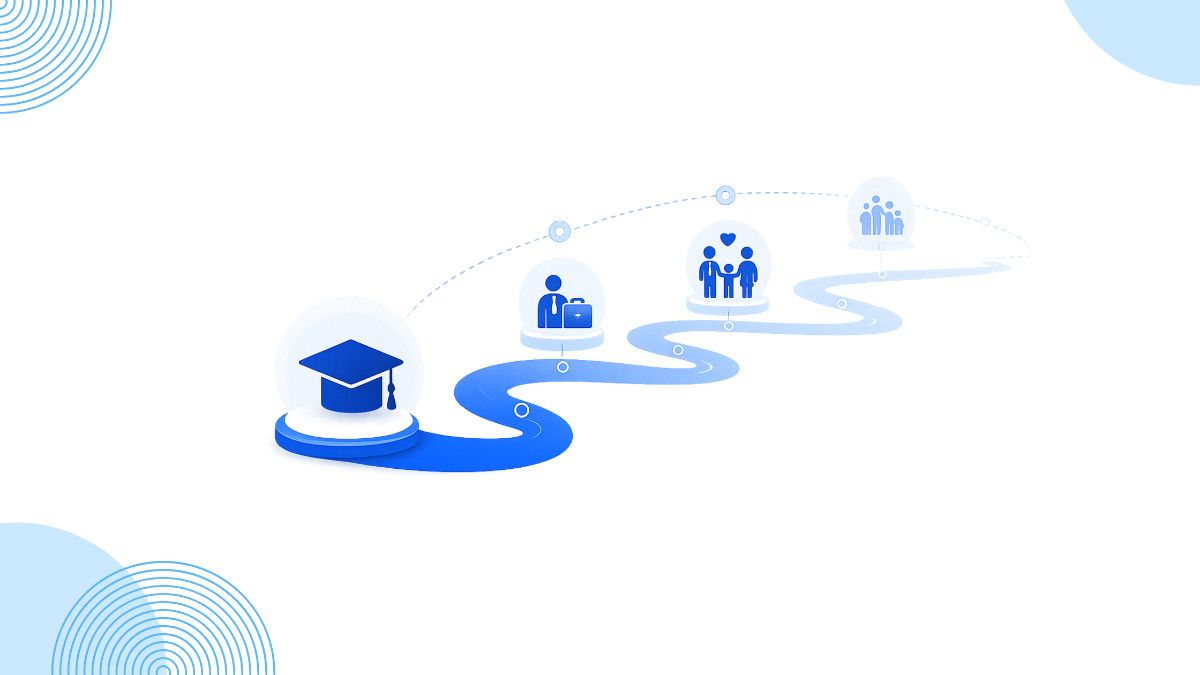
Most institutions are confident about their alumni support. But only a few can say what happens to that support once the early years are behind their alumni.
Ask most alumni relations teams how they support their alumni, and the answer comes quickly. Career services. Mentorship circuits. Reunions. Recognition for achievement. These are not small things, and institutions have spent years getting good at them. But ask a different question, what happens to that support ten or fifteen years after graduation, and the answer usually slows down.
That gap is worth sitting with, because it shapes whether alumni stay genuinely connected to an institution or simply remain on a mailing list.
What Institutions Already Get Right About Alumni Support
It is worth naming what works before naming what is missing. Institutions have built genuinely strong systems around the early alumni journey. Career centers help graduates land first jobs. Alumni associations run mentorship programs that pair recent graduates with senior professionals. Reunions and chapter events keep networks alive across cities and years. Recognition programs celebrate the alumni who go on to do remarkable things. Most alumni support activities, in fact, are still designed around this single window in an alumnus’s life.
These efforts work because they are built around a clear, shared moment: the transition from student to professional. Institutions know exactly what alumni need in that window: introductions, guidance, visibility, and a sense of belonging to something larger than their own career. They have spent years refining how to deliver on that, and it shows. Alumni chapters in major cities run consistently. Mentorship platforms match graduates with seniors in the same field. Recognition walls, annual awards, and features in institutional newsletters give successful alumni a reason to stay visible and involved.
This is not a small achievement. Building alumni infrastructure that works consistently, across geographies and graduating batches, takes years of iteration. Institutions that have gotten this right deserve to be recognized for it, not told they are doing something wrong.
The strength of early-stage alumni support is not the problem. The problem is what happens once that stage ends.
Where Alumni Support Tends to Stop
Most alumni support is built around the assumption that career success is the finish line. Once an alumnus is settled into a job, has built a network, and is progressing in their field, institutional support quietly tapers off. What remains is usually episodic: an annual newsletter, an invitation to a reunion, an occasional request for a donation.
This is not a deliberate decision by institutions. It is simply where the original design of alumni relations runs out. Career support, networking, and recognition all answer questions that matter most in the first few years after graduation. They do not answer the questions that come later.
Alumni relations teams are not unaware of this. Most would readily admit that engagement dips once alumni move past their early thirties, or once they stop needing the institution for professional introductions. What is harder to admit is that the dip is not a sign of disinterested alumni. It is a sign that the support on offer stopped matching what alumni actually needed at that stage of life. We have written in more detail about why this drop-off happens at scale in why most alumni disengage from their institutions.
What Life Actually Looks Like for Alumni After Their Career Milestones
Career success does not make life predictable. Alumni continue to move through stages that have little to do with their profession: starting families, supporting aging parents, relocating, changing careers, facing health concerns, or simply navigating the ordinary uncertainty that comes with getting older. None of this shows up in a LinkedIn update, which is often the only signal institutions still track once alumni move past the early career years.
This is the part of the alumni journey that most institutional support was never designed to reach. It is also, for many alumni, the part of life where support would matter most. An alumnus who has just been promoted rarely needs the institution’s help. An alumnus dealing with a parent’s sudden hospitalization, or trying to plan around a growing family’s expenses, often does, even if they never think to ask their alma mater for it, simply because it has never occurred to them that the institution might be able to help.
That disconnect is worth pausing on. Alumni do not stop needing support once they graduate. They simply stop expecting it from the institution that once knew them best. It is also a pattern that shows up earliest among the newest alumni cohorts, as we explored in what Gen Z alumni actually want from their alma mater.
Life stages that traditional alumni support rarely addresses
- Starting or growing a family
- Caring for aging parents
- Navigating a health concern, their own or a family member’s
- Relocating cities or countries for work or personal reasons
- Changing careers or stepping away from work altogether
Why Long-Term Alumni Support Strengthens Engagement and Retention
Alumni relationships that last are rarely built on a single strong memory of campus life. They are built on an accumulation of moments where the institution showed up, not just to celebrate success, but to be genuinely useful across the years that followed.
Alumni relations leaders who have studied giving patterns consistently find the same thing: alumni who feel supported over the long term are more likely to stay engaged with their institution, more likely to mentor the next generation, and more likely to give back, whether through time, advocacy, or donations. The relationship compounds. A one-time reunion attendee is not the same as an alumnus who has felt looked after through the quieter, harder parts of life. Research from the Council for Advancement and Support of Education points to the same conclusion: alumni engagement today extends well beyond philanthropy, encompassing volunteering, mentorship, and ongoing communication, not just giving.
There is also a quieter, less measurable effect worth naming. Alumni who feel supported tend to speak differently about their institution. They are the ones who tell prospective students, colleagues, and their own children that the institution stayed relevant to them long after graduation. That kind of advocacy cannot be manufactured through a marketing campaign. It comes only from alumni who have experienced it directly.
Early-stage support
Career services, networking, mentorship, recognition
What typically follows
Newsletters, occasional reunions, donation requests
What is largely missing
Support through the unpredictable parts of adult life
What Would It Take to Support Alumni at Every Life Stage?
If career milestones are only one chapter in an alumnus’s life, the institutions that are remembered longest are unlikely to be the ones that simply did the early chapter well. They are more likely to be the ones that found a way to stay relevant through the chapters that came after, the ones without a graduation ceremony or a placement statistic attached to them.
What would it actually take to build that kind of support? Not more events. Not another newsletter. Something structural, support that reaches alumni in the moments that matter most, even when those moments have nothing to do with career success at all.
It would mean thinking about alumni support the way alumni themselves experience their own lives, not as a straight line from graduation to career success, but as a series of unpredictable chapters. Some of those chapters are worth celebrating publicly. Others are quieter, harder, and rarely shared on a professional network. An alumni program built only for the first kind of chapter will always feel incomplete to alumni living through the second.
That is the question worth asking next: what would meaningful, structural support look like for the chapters that come after success. A number of institutions have already started to explore this, most commonly through an alumni protection program, and the answers are beginning to take a more concrete shape than most alumni relations teams might expect.
Frequently Asked Questions
What does alumni support typically include?
Most alumni support programs focus on career services, professional networking, mentorship, and recognition of alumni achievements. These are usually strongest in the first few years after graduation.
Why does alumni support usually decline after the early career years?
Traditional alumni programs are designed around the transition from student to professional. Once alumni are established in their careers, institutional support often shifts to occasional communication rather than ongoing engagement.
What does long-term alumni support look like?
Long-term alumni support extends beyond career milestones to address the ongoing realities of alumni life, including family, health, and financial changes, rather than concentrating entirely on the early post-graduation period.
What are the most common alumni support activities institutions run today?
The most common alumni support activities are career services, mentorship programs, reunions, chapter events, and recognition of alumni achievements. These activities are effective but tend to concentrate almost entirely on the first few years after graduation.
How can institutions track and sustain alumni support over the long term?
Sustaining alumni support across life stages requires accurate, up-to-date alumni data and consistent communication, which is difficult to manage manually as a network grows. Platforms like AlmaShines help institutions centralize alumni data and outreach, making it easier to reach alumni with relevant support at the right stage of their lives, not just in the years immediately after graduation.


Let’s discuss the idea
Join hundreds of companies transforming their corporate communities with Almashines