Signs Your Nonprofit Needs a Management Platform
Learn how nonprofit management platforms streamline operations, improve volunteer coordination, and help charities focus on their mission.

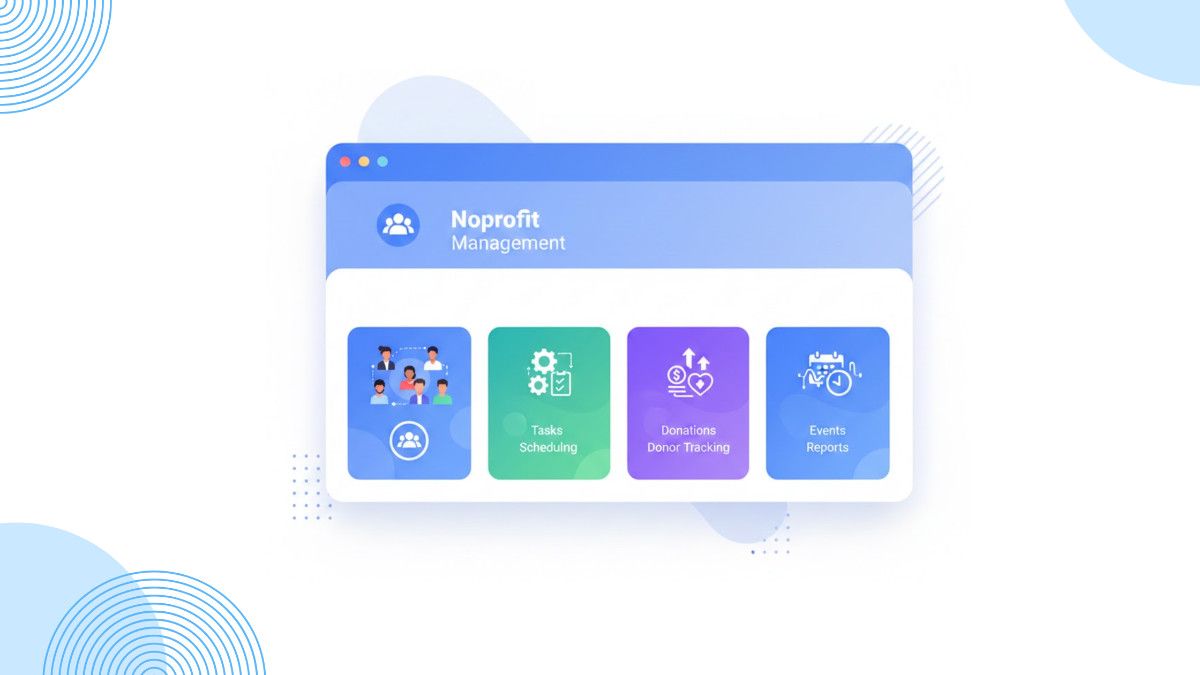
The majority of nonprofits do not strategize to grow bigger than their systems, it occurs. What begins with a few spreadsheets, shared folders, and emails threads gradually prove to trickier as the number of volunteers grows and the programs continue to grow. Work becomes more time consuming, information is missed and there is more time spent in coordination than actually performing the work which is important.
In case daily operations are heavier than usual, then it might not be a staffing problem. In most instances, it is a systems problem. The following are some obvious real-life indicators that your nonprofit organization could use a dedicated nonprofit digital community.
What Is Nonprofit Management Software?
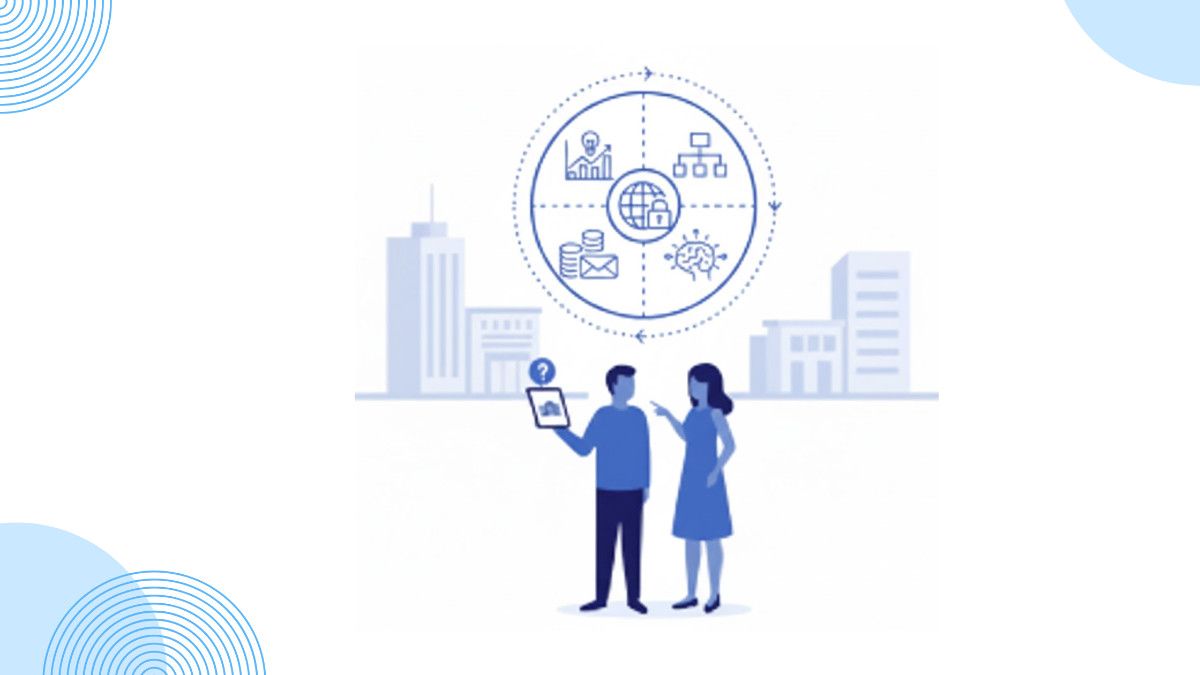
Nonprofit management software helps organizations streamline their daily operations by bringing fundraising, donor management, volunteer coordination, accounting, and communication into one centralized system. It often includes tools for grant tracking, event management, marketing, and reporting, along with integrations that improve overall functionality. Core features such as donor databases, campaign management, financial tracking, and communication tools help nonprofits reduce manual work, maintain accurate data, and focus more effectively on their mission impact.
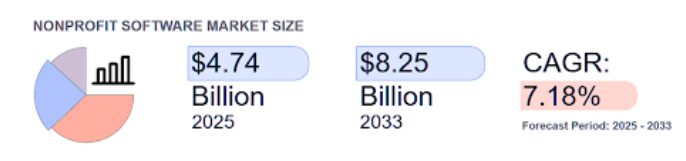
The majority of nonprofits do not strategize to grow bigger than their systems, it occurs. What begins with a few spreadsheets, shared folders, and emails threads gradually prove to trickier as the number of volunteers grows and the programs continue to grow. Work becomes more time consuming, information is missed and there is more time spent in coordination than actually performing the work which is important.
In case daily operations are heavier than usual, then it might not be a staffing problem. In most instances, it is a systems problem. The following are some obvious real-life indicators that your nonprofit organization could use a dedicated management platform.
How a Nonprofit Management Platform Helps
A non profit management system will provide organization to daily activities. Rather than using tools that are not connected, it provides teams with a single location to handle volunteers, applications, forms, feedback, and internal access.
The worth is not in making more tools, it is to minimize confusion, duplicate efforts and maintain consistency of information within an organization in order to grow.
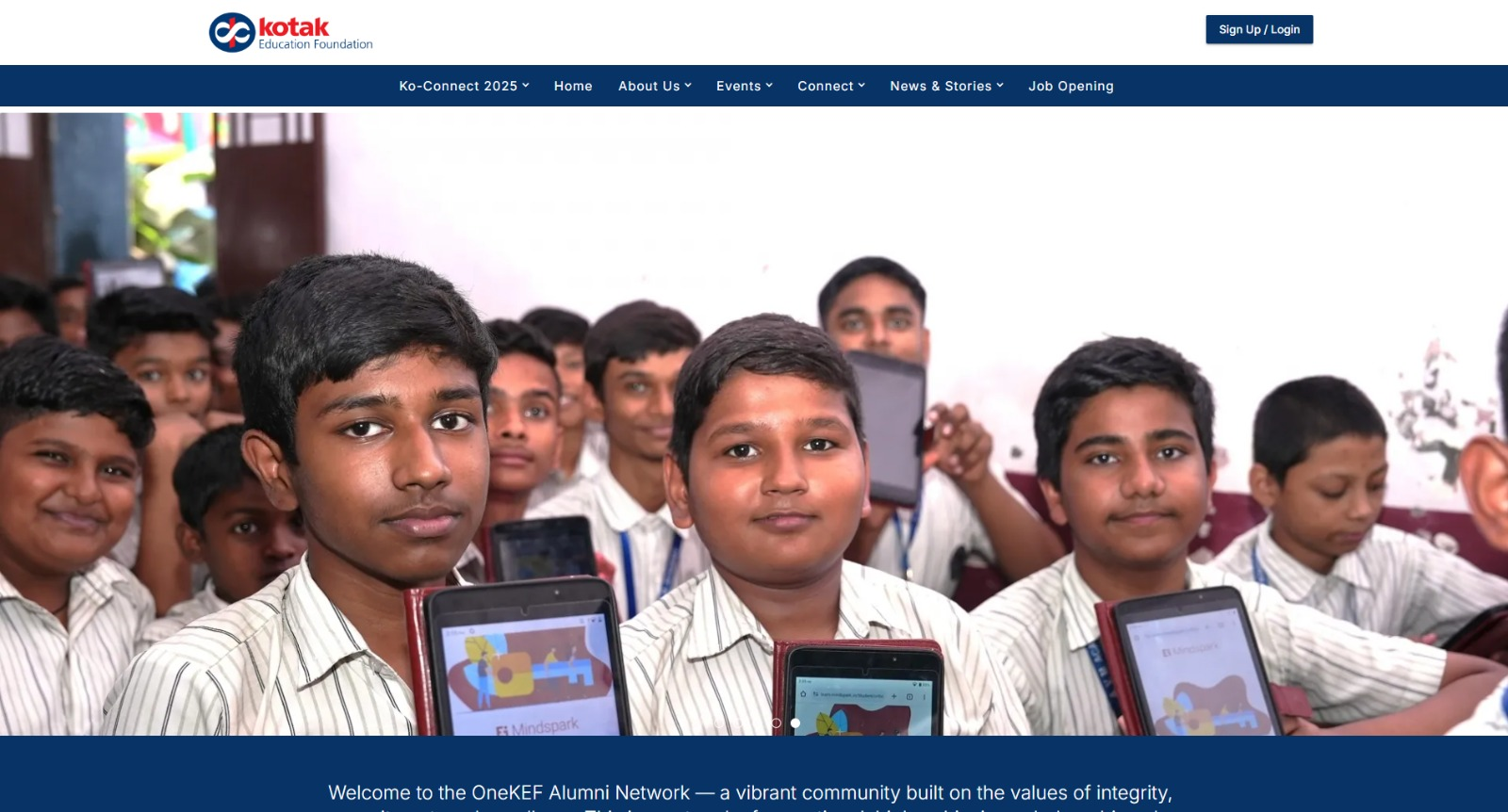
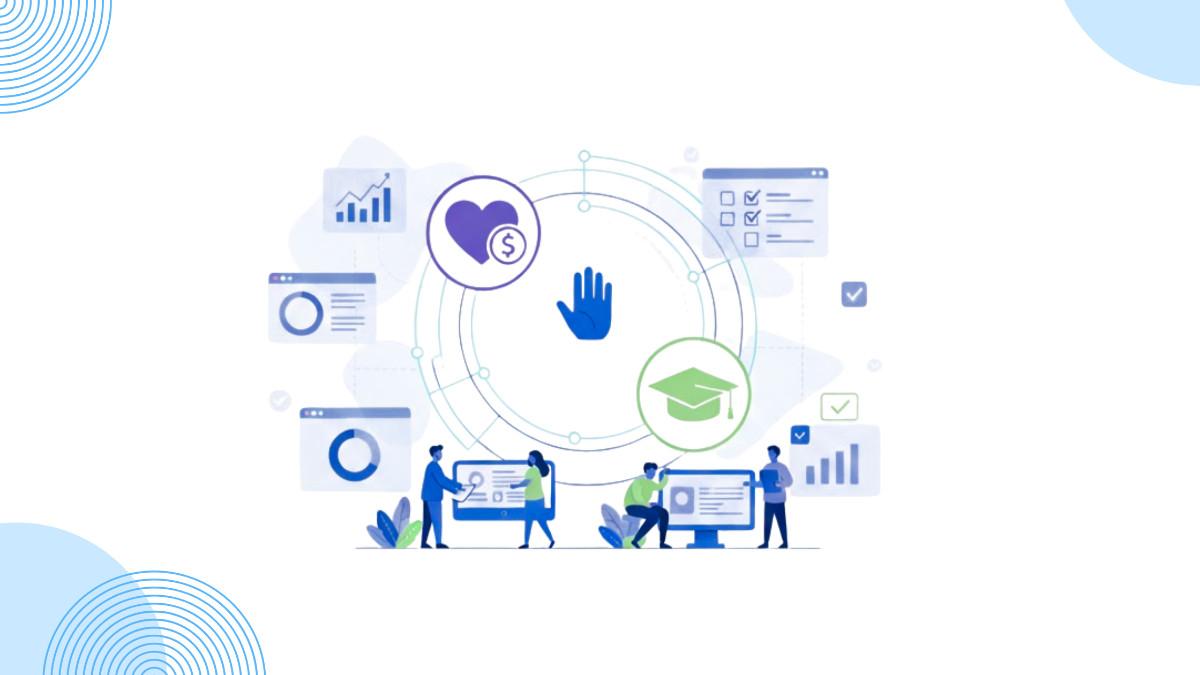
Foundations like Kotak Foundation already using nonprofit management platform with visual dashboards that provide real-time insights into volunteer participation, donation tracking, and program impact. This centralized system allows teams to update records, track applications, and gather feedback efficiently, significantly reducing manual work and improving overall coordination.
1. Volunteer Information Is Hard to Manage
Where the information of volunteers is placed in more than one location, there is always a problem of ensuring that the information is up to date. Phone number is different, someone is not available sometimes, they enroll in another program, and next time the records are different.
In the long run, it will result in communication breakdown, time breakdown and frustration between the two parties. A management platform stores all the information of volunteers in a single place which simplifies the work of teams to update its records and comprehend the participation of each volunteer without having to rummage through files.
You might be aware of this issue when:
- Employees have their personal lists.
- News is exchanged in an informal manner.
- There is no a clear picture of previous participation.
2. Feedback Exists, but It’s Scattered
Most nonprofits do receive feedback, but it is usually in the form of emails, messages, or meeting notes. Even though the input of single voices will be beneficial, it will not get a clear scope of what is working and what requires improvement.
Trends are more visible when the feedback is gathered in the form of structured surveys and stored in the same place. This enables the teams to make informed adjustments other than basing them on assumptions or opinions in isolation.
Why this matters:
- Regularly checking feedback improves programs.
- When we act on volunteers’ contributions, they feel heard.
- Making of decisions becomes internalization friendly.
3. Volunteer Applications Take Too Long
One of the earliest processes to experience strain with the increase in the nonprofits is application management. The absence of a clear system creates possibilities of losing track of who has been applying, who needs to be reviewed, and who is awaiting a reply.
This usually causes any delays, which discourages the potential volunteers. A management platform gives an insight into every stage of the application which enables teams to respond in a timely manner to ensure the experience is positive in the first place.
Common signs:
- Applicants make numerous follow ups.
- Tracking of staff is done manually.
- There are irregular status updates.
4. Reference Checks Slow Everything Down
Building up of references is significant, yet the manual processes slow the process down. The pursuit of emails, the categorization of attachments and monitoring of replies can make a simple action a bottleneck.
Using centralized system, references are gathered and stored centrally. This makes the process flow the same way and teams can proceed without losing time in unnecessary delays.
Practical benefits:
- Faster onboarding
- Reduced back and forth communication.
- Better record keeping
5. Forms Are Recreated Again and Again
Registration forms, internal requests, nonprofits are all dependent on forms. As they are recreated each time, or even stored across tools, data is not consistent and more difficult to manage.
A web-based management platform enables the teams to develop forms and reuse them wherever necessary. Data is saved in a central place minimizing errors and wastage of time.
Results you’ll see:
- Less non-completed submissions.
- More consistent data
- Less manual cleanup
6. Employee Access Is Hardly Managed
As teams grow, not everyone should have access to everything. Without proper access controls, sensitive data may be accidentally modified or accessed
Nonprofits can use management platforms to outline the staff position and manage access according to responsibility. This enhances accountability and safeguards valuable information.
This becomes important when:
- Several teams share the same information.
- Responsibilities overlap
- The issue of data security comes up.
7. Staff Access Is Not Clearly Defined
It does not mean that reporting has to be reinvented. When the data reside in various locations, it takes more time to prepare reports and in most cases one wonders about the accuracy.
Reporting would be easier, more reliable because already organized data is available. This aids the leadership to look back on progress, look forward, and communicate effectively to the stakeholders.
What improves:
- Faster reporting
- Clearer insights
- Better planning decisions
Why Growing Nonprofits Make This Shift
The one thing that is common among nonprofits that expand at a sustainable rate is the organization of their activities. A management platform provides this foundation by bringing together information, processes, and people in a way that is easier to manage over time.
It is nothing to do with modifying the way your mission functions but to assist in the persons who are performing it.
Final Thoughts
When your charity is more difficult to handle than before, it might not be the work or the will but rather the organization. Lack of integration, paper-based procedure and vague access slows down the teams and induces unnecessary stress.
A nonprofit management platform would put back some sense and make daily tasks easier and enable the teams to concentrate on what is important .
Frequently Asked Questions (FAQs)
– Segmented Communication: Tools to segment donor lists for targeted emails, newsletters, and direct mail.
– Event Management: Platforms that facilitate event registration, promote attendance, and track participation (e.g., AlmaShines, Affnetz, EventMobi).
– Volunteer Management: Features for recruiting, scheduling, and tracking volunteer hours (e.g., AlmaShines, VolunteerHub, Civic Champs).
– Surveys and Feedback: Tools to measure donor opinions and sentiment.
– Social Media Integration: Tools to manage and track social media engagement.
These systems allow organizations to create a timeline showing donor and volunteer engagement over time, enabling personalized outreach, strengthening relationships, and improving retention.
– AlmaShines (tracks engagement across volunteers, donors, and events)
– WildApricot (community engagement for members)
– MemberClicks (association engagement)
– VolunteerHub and Civic Champs (volunteer management)
– EventMobi and Affnetz (event management)
These tools streamline recruitment, scheduling, and tracking, improve volunteer retention, and help increase contributions from engaged volunteers.
Yes, most providers offer assistance for smooth migration, ensuring immediate access to engagement features.
It provides instant visibility into key metrics, such as donations, event registrations, and volunteer participation, allowing managers to assess engagement quickly.



Let’s discuss the idea
Join hundreds of companies transforming their corporate communities with Almashines