Alumni: Classifications, Models of Engagement, and Definitions
Learn how to identify and engage four distinct types of alumni to build stronger connections and foster community growth.

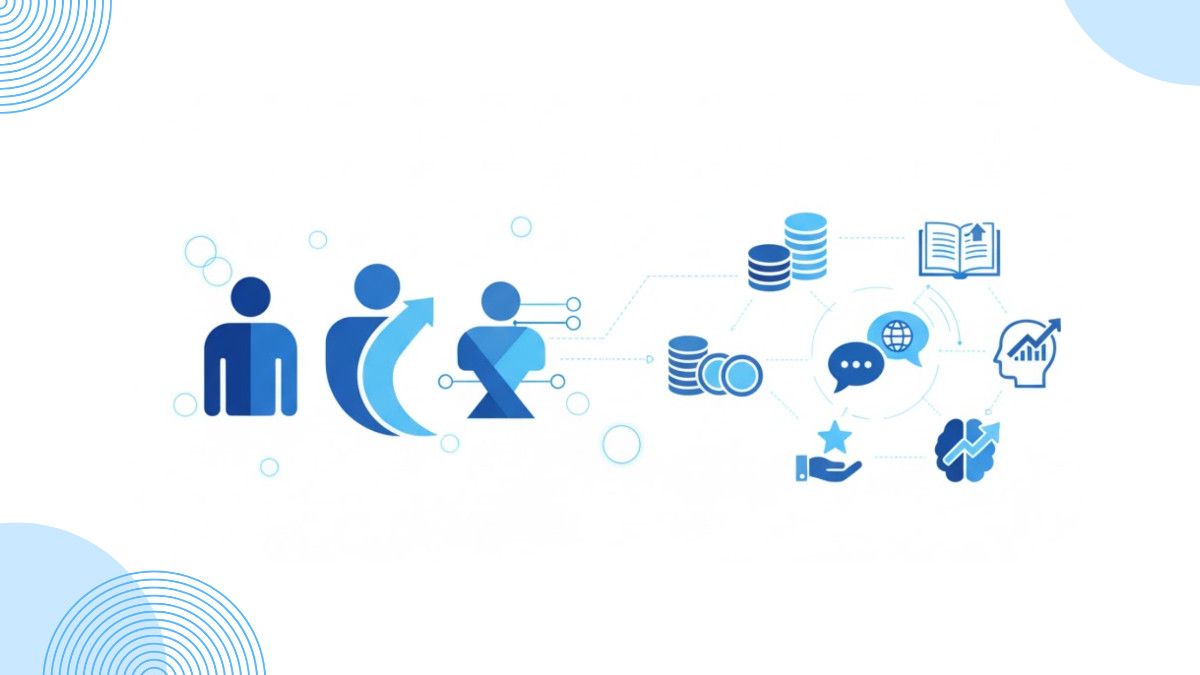
People often talk about alumni as one group, but in reality they form a diverse community with different motivations, interests, and levels of attachment.
Did you know that alumni networks contribute up to 30% of a university’s fundraising revenue? This makes understanding who your alumni are and how they engage critical for building a successful alumni program.
Institutions have to be aware of these differences and develop an engagement strategy that resonates and is meaningful to create a successful alumni network.
This is a guide that unites all known categories of alumni, such as, but not limited to, linguistic definitions, levels of engagement, organizational connections, and contemporary strategic personalities, which provides you with the 360 degree view of the current alumni environment.
Types of Alumni according to Linguistic Form
Alumni by grade of engagement
Institutions often group alumni based on their response and participation levels, which helps them deliver more precise communication and outreach programs.
They should only engage where the benefits will directly affect them, e.g., in the case of job opportunities, discounts, or taking part in exclusive events.
Have a solid emotional attachment to the institution. They tend to attend events, volunteer, mentor students, and make financial contributions.
Seek networking, industry contacts, career growth, and mentorship opportunities.
Mainly assist the institution by making financial contributions, recurring donations, scholarships, or by participating in campaigns.
Engage in mentoring, career guidance, internships, and sharing industry insights with students actively.
May not participate actively due to time pressures, distance, or lack of individual communication. They have good potential for long-term engagement.
Organizational Affiliation Alumni Types
The alumni communities have ceased to exist in the schools and colleges alone. Alumni programs in organizations are now institutionalized.
Corporate Alumni — Ex-employees who stay linked to a particular company network to make referral, re-employed, business, and brand ambassadors.
Academic Alumni — Alumni of schools and colleges, as well as universities.
Nonprofit or Association Alumni — Ex-participants, volunteers, board members or beneficiaries.
Government/Public Sector Alumni — Former officials and employees who remain connected with each other through formal and informal programs.
Program-Based Alumni — Participants who had gone through fellowship programs, bootcamps, certifications, leadership programs or short-term programs.
The Strategic Engagement Framework (Alumni Triangle Model)
Although the above categories are universally accepted, there is more psychological segmentation into motivation and behavior, which are of immense benefit to the institutions today. This is the place where the Alumni Triangle Model comes in with a strategic value.
The triangle defines four engagement personas of alumni:
Loyalists
The most organized and hard working group. They attend, volunteer, donate, mentor and enhance institutional accomplishments.
Value Seekers
Participate when they see some real-life value to it (networking, learning, professional development).
Recognition Seekers
Mainly driven by recognition and publicity. Making them newsletter-covered, featured in the social media spotlights, in awards, or on guest panels is a high-engagement activity.
Apathetic or Non-volunteer Alumni
Inadequate engagement because of time or being out of touch or appropriate personalized outreach. Reactivation needs thoughtful strategies that are targeted.
Ways Institutions Can Use these Classifications
Effective alumni programs rely on accuracy, not general communication. The following are the ways you can take advantage of these categories:
Personalize communication
Dissimilar groups demand dissimilar tones, messages, and frequency.
Develop targeted outreach programs
Professional-oriented networking activities; attention hunters need social fame; leadership opportunities attract loyalists.
Enhance fundraising performance
Emotional alumni react to legacy campaign. Impact-based communication gets a response with transactional alumni.
Improve student success
Mentor alumni facilitate an internship, placement and career advice.
Improve admissions/branding
Active alumni are the most powerful friends and sources of referral.
Start Engaging the Right Alumni, the Right Way
AlmaShines helps institutions identify, segment, and engage every type of alumni with tools built for meaningful, long-term connection.
Book a Free Demo
Frequently Asked Questions (FAQs)
The easiest way is to look at their engagement history. Alumni who consistently attend events and volunteer are likely Loyalists. Those who only respond to career opportunities are Career-Focused. Those who engage when there is something in it for them are Value Seekers. Alumni with no activity in over a year are likely Dormant. AlmaShines helps institutions segment alumni automatically based on engagement behaviour so outreach can be personalised from day one.
Most alumni do not disengage permanently. Life circumstances like career pressure, family responsibilities, or relocating cause temporary disconnection. Research in higher education philanthropy consistently shows that institutions sending generic mass communications rather than personalised outreach see the steepest engagement drops. When institutions match the right message to the right alumni type using the engagement classifications covered in this blog, re-engagement rates improve significantly.
Donor Alumni respond to legacy and impact-based communication. They want to see how their contribution made a difference: scholarship outcomes, student success stories, or programme improvements funded by alumni giving. Generic fundraising appeals rarely move them. The most effective approach is to show a direct line between the alumni’s contribution and a specific institutional outcome.
Dormant alumni need low-pressure, value-first outreach that does not immediately ask for something. Strategies that work include nostalgia driven communication, virtual events that remove the barrier of travel, and personalised messages tied to their specific graduation year or department. AlmaShines allows institutions to set up automated re-engagement flows targeted at alumni who have been inactive for a defined period.



Let’s discuss the idea
Join hundreds of companies transforming their corporate communities with Almashines