Ultimate Nonprofit Event Planning Checklist: Vision to Success
Plan a successful fundraising event with this 10-step nonprofit event planning — from goal setting to volunteer and donation management.

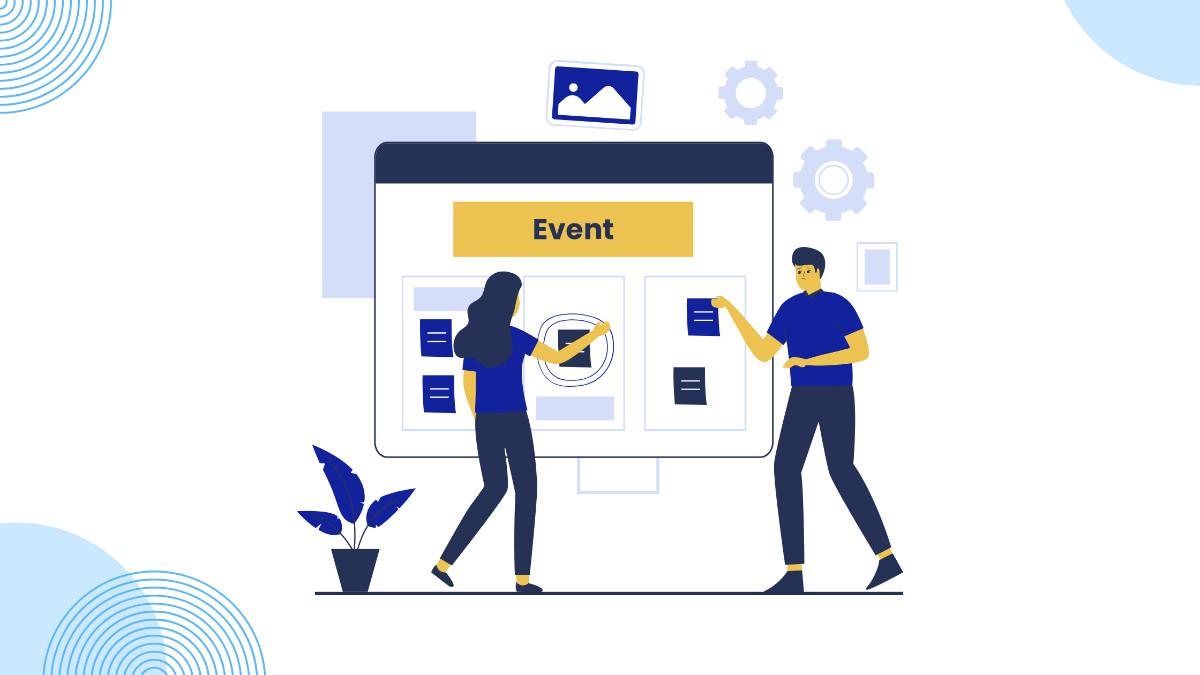
Planning a nonprofit event can be exciting yet overwhelming. Between finding sponsors, recruiting volunteers, and ensuring every detail aligns with your mission, it’s easy to feel scattered. But with a clear plan, your event can go from stressful to successful — creating lasting impact for your cause.
The following is your total nonprofit event planning guide and checklist to make the process of the plan more streamlined, strategic and very rewarding.
1.Get Your Objectives and Mission
Before diving into logistics, define what success means for your event. Clear goals guide every decision, from fundraising targets to audience engagement.Nonprofits with specific event goals raise up to 50% more funds than those without defined objectives.
- Explain the reason behind the hosting of the event before booking the venues or sending invitations.
- Is it to get money, create awareness or enhance community participation?
- What are your success metrics, donations, registrations or social reach?
- Having clear-cut goals that can be measured will make sure that all your actions are within your mission.
2.Establish Your Budget
A solid budget helps keep your event realistic and well-managed. It ensures every dollar supports your mission without financial surprises.
A realistic budget is the beginning of every successful event.
Include:
- Venue costs
- Marketing and promotions
- Volunteer supplies
- Entertainment and catering
- Fundraising programs or applications
Pro tip: You should always reserve 10–15 percent of your budget to unforeseen costs.
3.Build Your Event Team
Strong teamwork turns plans into smooth execution. Assign clear roles so everyone knows their purpose and communication stays consistent.
- Split roles up in committees (logistics, marketing, fundraising, and volunteer coordination).
- Having clear roles = reduced confusion and increased performance.
- You may also want to appoint a project lead to supervise each and every department and ensure that there is communication.
4.Select the Appropriate Venue and Date
Your venue sets the tone for your event’s experience. Choose one that fits your audience, accessibility needs, and event type.
- Your venue sets the tone. Look at accessibility, capacity, parking and facilities.
- In the case of virtual or hybrid events, make sure that your technological platform allows a smooth stream and engagement tools.
- Select a date that will not conflict with other significant community activities.
5.Solicit Sponsors and Partners
Strong partnerships can amplify your event’s impact. Offer value to sponsors through visibility and engagement opportunities.
- Sponsorships have the ability to subsidize greatly and increase coverage.
- Make a sponsorship proposal with sponsor benefits.
- Provide different packages that include perks such as logo placements, mention or slot to speak.
- Show public appreciation to ensure good relationships.
6.Planning Marketing and Promotion
A well-rounded marketing plan boosts attendance and awareness. Use multiple platforms to connect with different segments of your audience.
- Build up hype using social media countdown posts and live stories as well as behind-the-scenes chatter.
- Develop a multi-channel marketing approach.
- Send customized emails to former donors and visitors enhance your donation retention rate.
- Expand visibility using local media or press releases.
- Invite your team and followers to make posts in order to have organic reach.
7.Hire and Educate Volunteers
Volunteers are your event’s foundation. Empower volunteer with training, appreciation, and clear roles to ensure a seamless event.
- Nonprofit events could not be possible without volunteers.
- Start recruiting volunteers early.
- Give role-based training and instructions.
- Appreciate volunteer efforts during, before, and after the event to maintain their morale.
8.Install Registration and Fundraising Software
Digital non profit management tools simplify the process for both your team and attendees. Make registration and donations as smooth and accessible as possible.
- Take advantage of internet enrollment and giving gifts.
- Streamline the experience of the attendee and donor
- Provide variety of payment methods.
- Send automatic reminder and thank-you e-mails.
- Ensure it is easy to support and attend to — convenience increases conversions.
9.Prepare for Event Day
The big day requires structure and communication. A detailed plan keeps your team coordinated and your guests engaged.
- Prepare a comprehensive plan and schedule of setup, registration, program flow and closing activities.
- Use communication applications to keep your team in touch and have point persons when there is an emergency.
- Make sure signage, seating and other resources are prepared in advance ahead of the event.
10.Post-Event Follow-Up
Keep the momentum going after the event ends. Express gratitude, gather feedback, and celebrate achievements to strengthen relationships.
- The lights do not go off as soon as your event is over.
- Send thank-you letters to sponsors, volunteers and attendees.
- Post shares and pictures on social media.
- Review findings — what was successful, what failed and what could be better next time.
- This action reinforces bonds and forms a much firmer basis on which to base future happenings.
Download Your Free Nonprofit Event Planning Checklist!
Conclusion
The successful Nonprofit event planning requires some preparation, organization and collaboration. Using this checklist will help you organize an event that is going to be successful, draws supporters, and reaches your fund-raising objectives.
In order to make your work even more effective, you may consider applying an all-in-one volunteer, fundraising, and donation management software. Under the proper non profit platform, you can manage all things, including registering and communicating with the events, and tracking donations and scheduling volunteers, to name a few.
In case you are willing to make the whole process of planning much easier and enhance the performance of your event, consider the appropriate software and today and make your next event the success story to remember.
It is true that the next nonprofit event could be more than a success with the proper strategy and technology, it could bring a change.




Let’s discuss the idea
Join hundreds of companies transforming their corporate communities with Almashines