How Top Indonesia Universities and Schools Are Driving Alumni Engagement
Explore effective Indonesia alumni engagement strategies used by top universities and schools to build lasting alumni relationships.


Alumni engagement in Indonesia is no longer an act of goodwill but a strategic trend that determines the reputation, development, and sustainability of universities. Ranging in size and prestige, between the established institutions such as Universitas Gadjah Mada (UGM) and Institut Pertanian Bogor (IPB), and schools that are building longstanding relationships with their alumni networks, institutions are re-branding their connections, communications, and collaborations in new ways.
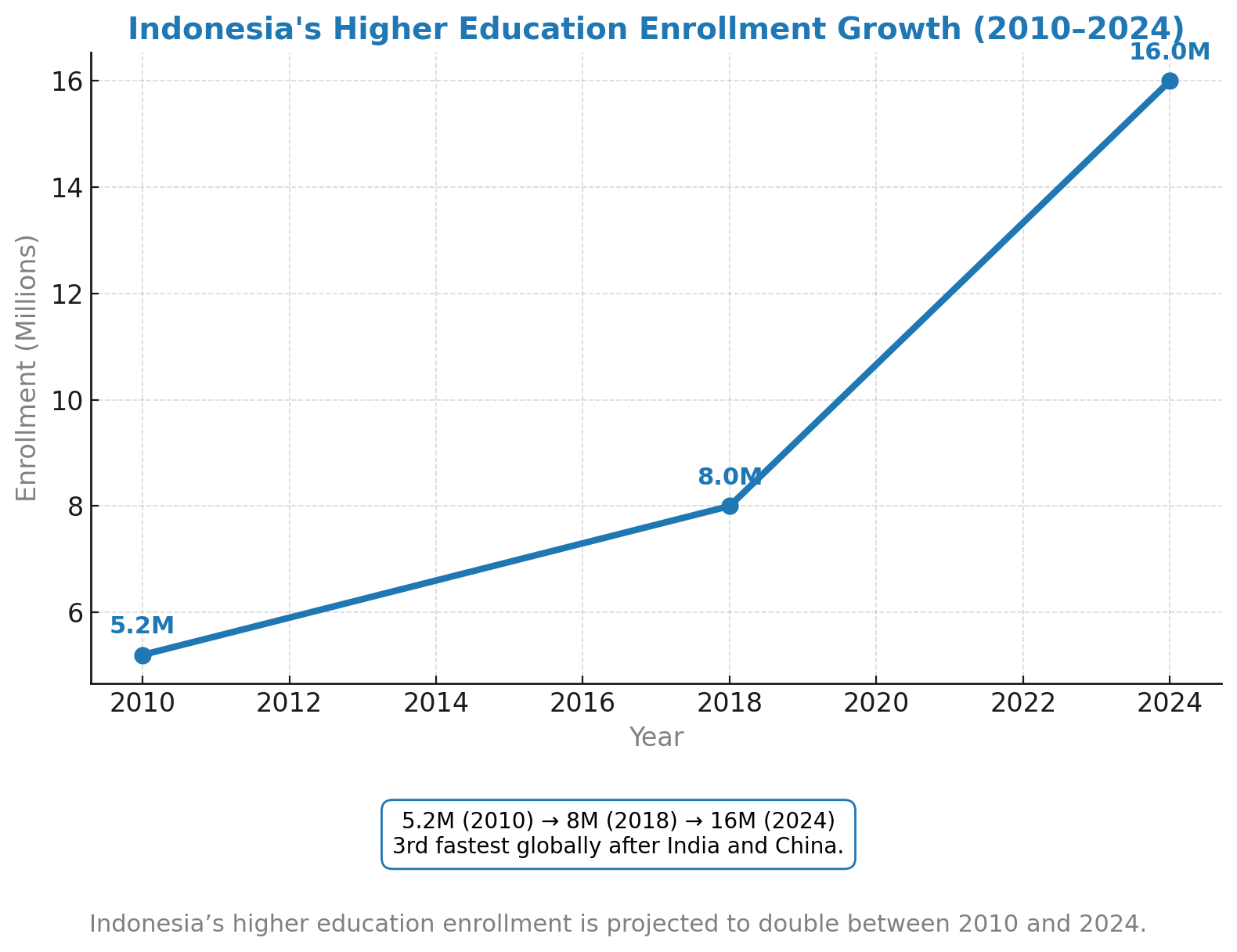
Indonesia’s higher education landscape is expanding rapidly, with over 4,600 higher education institutions across 26,000 fields of study and 8 million enrolled students as of 2018. Enrollment has grown nearly 60 percent in the last decade and is projected to double by 2024, making Indonesia the third-fastest-growing education market globally after India and China.
This transformation comes at a time when Indonesia’s higher education sector is expanding at an unprecedented pace expected to reach USD 118 billion by 2025.
Making Alumni Active Stakeholders
The Indonesian universities have transformed the old traditional alumni associations to vibrant ecosystems. Indicatively, the Alumni center of UGM engages alumni actively in mentoring, career development, research, and social outreach programs. The university does not merely keep in touch, but it gives alumni the mandate to participate in influencing institutional programs.
On the same note, most private and state schools are undertaking alumni-led mentoring weeks and networking days, making sure that their graduates are still emotionally and professionally connected to the school.
Creating Value Based on Experience and Belonging
The research on Indonesian alumni established that relationship quality rather than service quality propagated alumni loyalty. This implies that an institution that builds emotional belonging and not transactional contact is the most successful.
In its case, IPB University maintains community programmes and national events in which alumni engage in sustainability, new ventures in agribusiness, and support to students – making alumni involvement in society.
Cashing in on Digital Communities
With digital revolution gaining momentum, most prestigious universities and schools are creating dynamic online communities of alumni. Through these digital spaces, achievements are easier to share, fundraising campaigns become easier and events to boost institutional pride are easily organized.
Many of the institutions in Indonesia are starting to incorporate alumni networking, event management, and career services on digital platforms to ensure a steady flow of engagement with them not only during the reunion season but throughout the year.
Combining School with Business via Alumni
In Indonesia, a number of universities are strategically exploiting their alumni network in an attempt to help reduce the academic-industry gap. The alumni heads frequently become guest lecturers, internship placers, and brand representatives, which expose the present students to the real world.
Such synergy guarantees that institutions stay relevant in the changing job markets and enhance their brand as career oriented, globally connected education hubs.
Data-Driven Engagement: What Works
The future of alumni relations in Indonesia is shifting towards data-driven interaction – knowing what forms of communication, events and initiatives result in higher levels of loyalty. Universities are becoming more divided in reaching alumni via personalized outreach by graduation-year, by interests and by career stage.
This form of appeal has been successful in increasing the rate of participation and long-term contributions.
Did You Know?
Recent studies conducted in Indonesia have established that:
- Service quality increases satisfaction but relationship quality creates actual alumni loyalty.
- Good campus experiences result in increased engagement and retention by the alumni.
- Low participation by alumni in many institutions has also been problematic because there is a lack of awareness or an archaic digital system.
These observations demonstrate that alumni relations do not simply consist of staying in touch but it is about belonging, purpose and pride.
The Market Momentum You Can Not Ignore
The alumni engagement environment in Indonesia is expanding very fast. As thousands of institutions migrate towards structured alumni programs, the market size of structured alumni activities in Indonesia is increasing by approximately a quarter in every single year (according to the internal trends in higher education and local survey analysis).
Early investment in digital alumni networks by universities is already seeing more community growth, superior student placements, and brand advocacy.
Conclusion: So Now, What of You?
The leading universities and schools in Indonesia have already discovered that an active alumni network is an active asset one that drives reputation, influence, and innovation. They are now managing their alumni proactively, transforming connections into collaborations and impact.
If your institution hasn’t yet invested in structured alumni engagement, now is the right time to act. Whether you build your own in-house system or partner with a trusted alumni engagement platform , the goal remains the same strengthen relationships, empower your alumni, and create a lasting community that grows with your institution.






Let’s discuss the idea
Join hundreds of companies transforming their corporate communities with Almashines