Building Lifelong Alumni Connections in Philippine Universities
Discover how alumni network software helps Philippine universities build lifelong connections and support national education goals.


As the Philippine education landscape evolves, institutions face a new challenge — maintaining meaningful connections with graduates beyond their academic years. In an era shaped by digital transformation and growing enrollments, building a strong alumni network is no longer optional; it’s essential.
This blog explores how universities and colleges in the Philippines can strengthen lifelong relationships with their alumni through technology, engagement, and community-driven strategies.
The New Era of Philippine Higher Education
There is an incredible change in the Philippine education sector. Within the last decade, programs like Free Higher Education, the K-12 Program, and MATATAG Curriculum have transformed the access, inclusivity, as well as quality within the learning ecosystem nationwide.
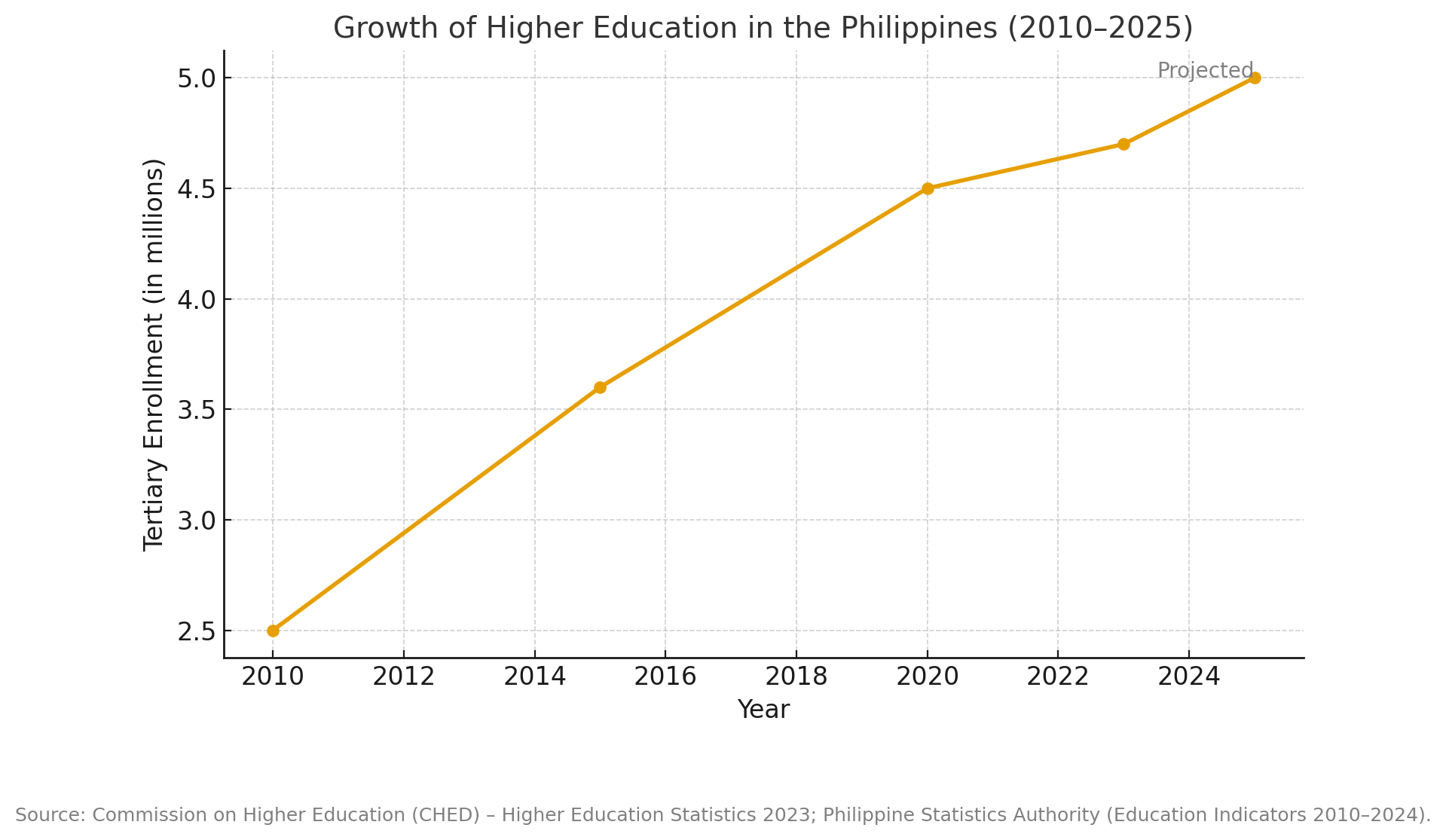
The Commission on Higher Education (CHED) indicates that currently, there are over 2,300 higher education institutions (HEIs) in the country and more than 4.7 million tertiary students in the country. This expansion is an indication of improvement but it is accompanied by new challenges. With increased numbers of graduates pouring out of university gates year in year out, the institutions have been confronted with a very important question:
What do we do to ensure that we have an important relationship with them after graduation?
Why Lifelong Alumni Relationships Matter for Universities
To most organizations, the interaction stops at the graduation process. However, that is just when it needs to start. Alumni are not just former students, but the living in memory of excellence, values and influence of an institution.
A related alumni network is critical to future success: through mentoring, guidance of present students; facilitating employability, internship programmes; through scholarship and fundraising; and research, in addition to enhancing the brand image and local involvement.
The olden-day practices of having reunion once in a while, using email lists or social media groups are no longer enough. The institutions need to transform into sustainable and technological-based engagement to realise the full potential of alumni.
How Alumni Network Software Strengthens Philippine Universities?
The digital-first approach is now required to maintain lifelong relationships. A new alumni management system is the connection, it connects the institutions and the graduates in a data-driven interactive platform.
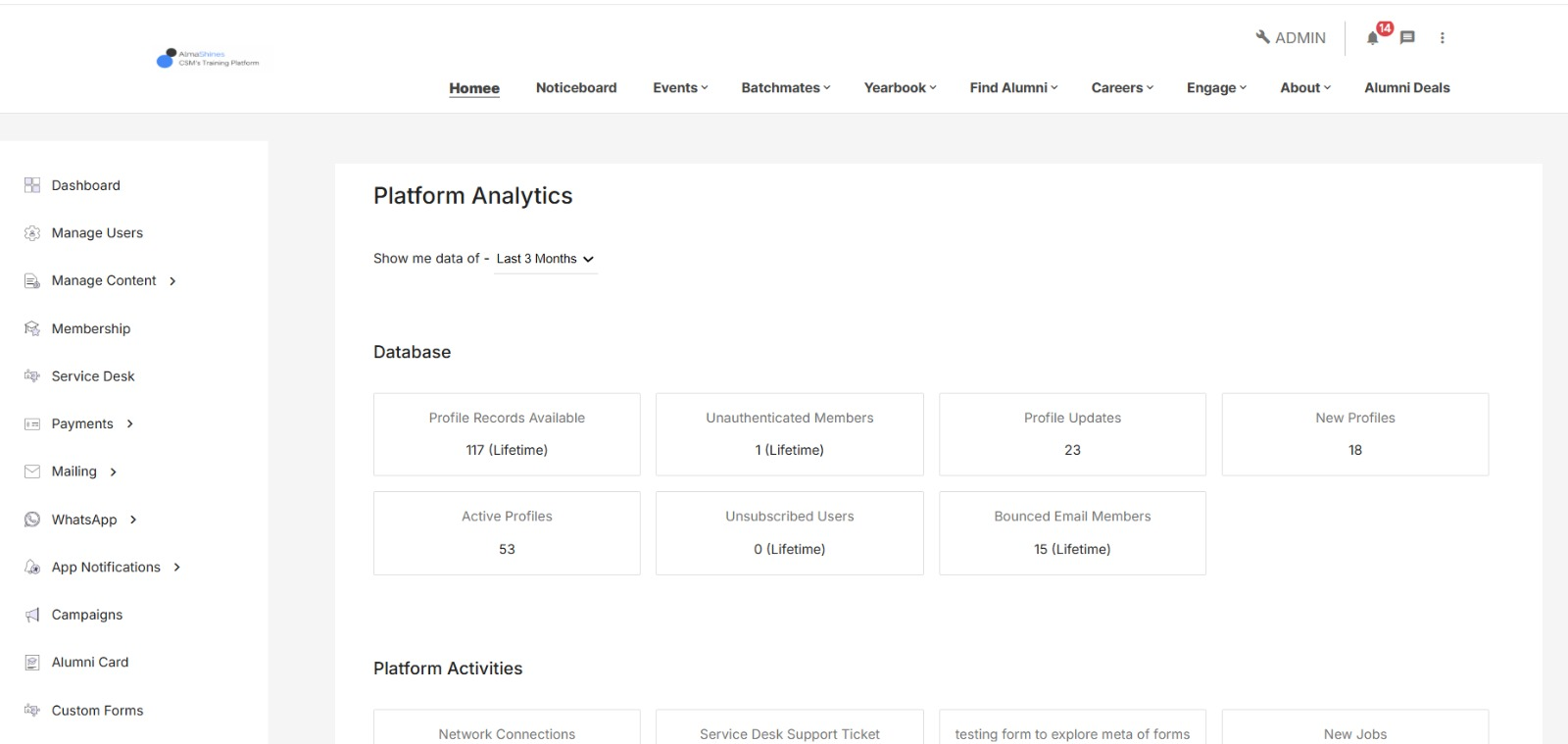
Rather than spending time handing-over spreadsheets or using informal channels, institutions could:
- Keep the right alumni records on real-time basis.
- Automate messages like newsletters and invitations to events.
- Webinars, mentoring, and reunions: efficiently organized.
- Monitor the career advancement of track alumni.
- Introduce confirmed fundraising and scholarship drives.
These skills are what will make sure that the relationship between institutions and their graduates do not lose strength with time but get stronger with missions and mutual development.
Benefits of Alumni Engagement for Philippine Institutions
The Philippine education has always been based on community and common pride. Alumni may not give up a close relationship with the alma mater and come back to provide counsel, collaborations, or assistance. This culture of connection is increased with an alumni ecosystem that is digital.
Through formalized alumni management, institutions will be able to:
- Improve employability: The alumni mentors will be able to advise the student with reference to their experience and careers choice.
- Create institutional credibility: A strong alumni network is a sign of an institution, and its long-term impact.
- Intensify fundraising activities: Linked alumni will give bigger support to scholarships and development programs.
- Pioneer digital transformation ambitions: Be consistent with national modernization agenda in CHED and DepEd models.
Such examples highlight how adopting a structured alumni management system can help Philippine universities achieve similar impact — nurturing connected, empowered, and supportive alumni communities.
Alumni involvement is an investment venture in individuals and their future applicability and success of the institution.
Supporting National Educational Reforms through Alumni Networks
The current reforms in Philippine education are geared towards ensuring the production of lifelong learners that are adaptable, employable and socially responsible. MATATAG Curriculum focuses on holistic and real-world preparedness, whereas the digital transformation agenda proposed by CHED prompts universities to embrace the use of modern tools of governance and transparent systems.
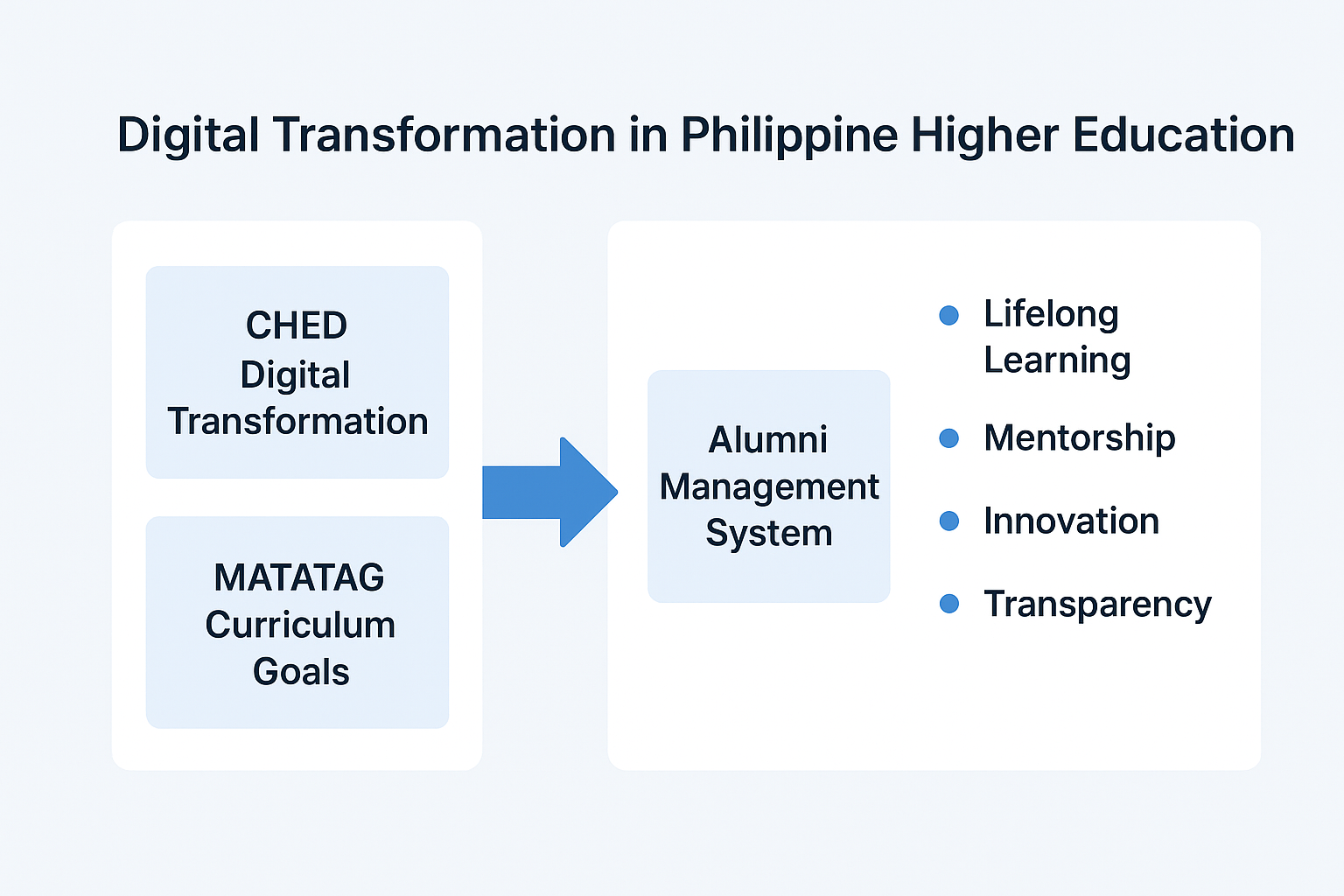
The alumni management system should be strong enough to facilitate these objectives by fostering lifelong learning after graduation, facilitating the alumni and academic cooperation, developing mentorship and innovation opportunities, promoting transparency and accountability in institutional outreach.
By establishing a digital connection to their alumni, institutions also offer to a more robust and interdependent education ecosystem—an ecosystem of life-long learning, advice and support.
The Future: From Digital Classrooms to Digital Connections
The destiny of the Philippine education is not only the future of digital classrooms but also the digital relationships. Whenever institutions invest in technology that enhances their alumni relations, they will cease to provide transactional education, and instead provide transformational engagement.
The outcome is a vibrant community of life long learners, mentors and ambassadors—a living network that has continued to play back in terms of knowledge, support and pride. Finally, it is not the number of graduates that a great institution can produce but the number of ties that it maintains even after graduation that matters.
Frequently Asked Questions (FAQs)
An alumni management system is a digital platform that helps universities connect, engage, and manage their alumni networks more effectively.
Philippine universities use alumni software to build lasting relationships, improve engagement, and align with CHED’s digital transformation goals for higher education.
Yes, it simplifies donation management, organizes mentorship programs, and manages events seamlessly to strengthen alumni engagement.
Absolutely. Both public and private higher education institutions (HEIs) can use alumni management software to enhance transparency, collaboration, and data-driven engagement.
Graduates gain access to networking opportunities, career updates, alumni events, and ways to stay connected to their alma mater through a unified platform.




Let’s discuss the idea
Join hundreds of companies transforming their corporate communities with Almashines