10 Key Benefits of Alumni Events + Free Planning Checklist
Discover 10 alumni event ideas that drive engagement and loyalty. Understand the importance of alumni meet and get a free checklist .

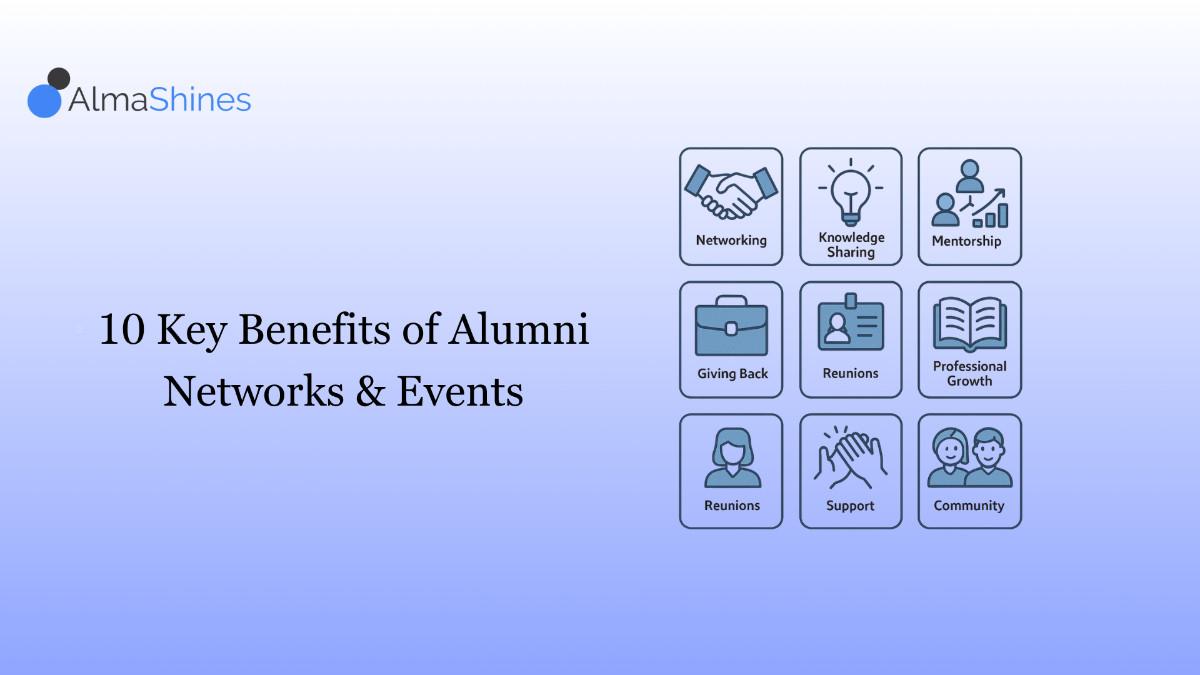
What are the key benefits of alumni events? Alumni events strengthen professional networking, boost fundraising, enhance institutional reputation, support career development and student mentorship, provide valuable feedback, encourage deeper alumni involvement, build long-term loyalty, engage diverse alumni segments, create lasting goodwill, and help measure the real impact of alumni relations programs.
Most institutions treat alumni engagement as a once-a-year effort. An event goes out, a few hundred people show up, and everyone moves on. But the institutions that genuinely benefit from their alumni networks think about it very differently. They see alumni events not as logistics to manage, but as relationships to build.
When an alumni meet is designed with intention, it becomes a platform for career development, mentoring, brand building, and fundraising. It brings back graduates who have gone on to build remarkable careers, and it gives current students a glimpse of what is possible. That is the real value that often goes unmeasured.
Here are 10 actionable benefits that schools, colleges, and universities consistently gain from integrating alumni events into their engagement strategy.
Why Alumni Events Are Worth the Investment
Alumni meets are not just feel-good occasions. When planned with a clear purpose, they strengthen long-term relationships, enhance brand loyalty, and open new channels for fundraising and mentorship. For educational institutions, building a strong alumni network is an investment that pays off through sustained engagement, increased goodwill, and lifelong advocates who genuinely believe in the institution they graduated from.
Alumni events are organized for a mix of strategic and emotional objectives. The most effective ones address several of these at once:
Institutional milestone celebrations — anniversaries, achievements, and landmark programs that give alumni a reason to return
Scholarship drives and fundraising — cultivating donor relationships and securing financial support for future students
Professional networking and mentoring sessions — connecting graduates across different career stages and industries
Community building and cultural interaction — reinforcing the shared identity and institutional pride that makes alumni want to stay connected
Feedback and institutional development — gathering alumni insights to improve programs, curriculum, and campus life
Recognition of outstanding alumni — celebrating achievements that inspire both graduates and current students
What Actually Happens at an Alumni Networking Event
There is no fixed template, and that flexibility is part of what makes alumni meets work. The best events mix formal programming with unstructured time where genuine conversations can happen. Common elements include:
Industry leaders and distinguished graduates share career journeys and lessons from their fields, providing value that extends well beyond the day of the event.
Creative showcases that celebrate institutional culture and give alumni a memorable emotional connection to their alma mater.
Structured interactions where current students benefit directly from alumni career guidance, industry insights, and professional introductions.
Acknowledging alumni achievements publicly strengthens emotional loyalty and motivates long-term engagement with the institution.
Informal spaces for organic conversations and the kind of relationship-building that structured sessions simply cannot replicate.
When thoughtfully designed, an alumni networking event strengthens institutional branding, supports fundraising, and creates collaborations that continue long after the event ends.
10 Key Benefits of Alumni Events
Strengthening Networking Opportunities
Alumni meets give graduates a platform to reconnect, build new professional relationships, and explore mentorship and business partnerships. Networking fosters collaborations and career growth for both young professionals and seasoned alumni alike.
Enhancing Institutional Reputation
A strong alumni community enhances institutional branding. When alumni actively participate in events, it generates positive publicity, strengthens brand credibility, and attracts prospective students who want a well-connected network behind them.
Boosting Fundraising Potential
Engaged alumni are far more likely to contribute financially to their alma mater. Events serve as a prime opportunity to cultivate donor relationships, showcase institutional achievements, and secure financial support for future initiatives.
Supporting Career Development
Networking events help alumni find job opportunities, career growth, and mentorship. Institutions that foster career development through alumni engagement create lifelong professional support systems that add value to both graduates and current students.
Utilizing Alumni Feedback for Growth
Direct interactions with alumni provide insights that can genuinely shape future programs, institutional initiatives, and event planning. Gathering feedback ensures continuous improvement and gives alumni a sense of real inclusion in the institution’s journey.
Encouraging Deeper Alumni Involvement
Alumni who stay connected through events are more likely to contribute in other ways too: volunteering, guest speaking, serving on advisory boards. Their involvement brings industry expertise, mentorship, and leadership directly to current students.
Strengthening Alumni Loyalty
Well-planned events build positive memories and experiences that encourage lifelong support and advocacy for the institution. Consistent engagement nurtures the emotional connection that increases alumni willingness to give back in different capacities.
Engaging Diverse Alumni Segments
Diverse event formats including networking dinners, virtual meetups, industry panels, and cultural reunions cater to different interests and age groups. This ensures broader participation and keeps alumni connected regardless of location or career stage.
Creating Lasting Goodwill
Strong alumni relationships create goodwill that reinforces emotional ties with the institution. Engaged alumni become advocates, promoting their alma mater in professional and personal circles and further enhancing its prestige and reach.
Measuring the Impact of Alumni Events
Tracking attendance, engagement levels, fundraising contributions, and alumni feedback helps institutions assess the effectiveness and ROI of their alumni initiatives. Data-driven insights allow teams to refine strategies for future events and optimize participation over time.
How to Plan Your Alumni Meet for Maximum Impact
Good events do not happen by accident. The institutions that run the best alumni meets share a common trait: they plan with a clear outcome in mind, not just a date on the calendar.
Define clear objectives
Establish goals for networking, fundraising, or mentorship before any planning begins. A clear purpose shapes every decision, from venue to format to who gets invited.
Budget wisely
Allocate resources effectively to maximize event impact. Prioritize activities that align directly with your engagement and fundraising goals rather than spending on things that look impressive but add little value.
Target the right audience
Customize event themes to appeal to different alumni groups. Batch-specific reunions, industry mixers, and milestone celebrations each attract different segments and produce very different outcomes.
Leverage digital promotion
Use social media, email marketing, and alumni portals for outreach. Personalized invitations consistently outperform generic mass communication when it comes to RSVP rates.
Ensure interactive experiences
Create engaging formats such as panel discussions, Q&A sessions, and open networking spaces. Passive formats drive lower return attendance and weaker post-event engagement.
Alumni Meet Planning Checklist
Use this checklist to plan and execute your next alumni event without missing a step
By executing alumni meets strategically, institutions can foster stronger relationships, boost loyalty, and secure long-term institutional support. See the alumni network benefits in action through real case studies.
Looking to Improve Your Alumni Engagement Strategy?
AlmaShines offers tools to enhance alumni engagement through digital platforms and interactive event management built for institutions of every size.
Book a Free Demo
Frequently Asked Questions (FAQs)
An alumni event is a planned gathering that brings together former students of an institution to reconnect, network, and celebrate shared experiences. These can include reunions, webinars, award nights, and more.
Alumni meets typically feature welcome speeches, cultural activities, campus tours, awards, networking opportunities, and time for alumni to reconnect with peers and faculty.
Use a mix of email invitations, alumni portals, social media posts, and messaging groups. Personalize your message, include all event details, and provide a simple RSVP link for confirmation.
Beyond events, institutions can run mentorship programs, alumni success spotlights, online contests, newsletters, career webinars, or collaborative volunteer projects to deepen engagement.
Alumni engagement helps institutions boost reputation, increase fundraising, support student mentoring, drive brand advocacy, and build a strong, supportive community around the institution.
The four key pillars are: Communication (newsletters, updates), Connection (events, platforms), Contribution (volunteering, donations), and Celebration (recognizing alumni achievements).
Technology such as alumni platforms and apps streamline communication, track engagement, organize events, manage data, and offer networking opportunities all in one place.


Let’s discuss the idea
Join hundreds of companies transforming their corporate communities with Almashines